

Reviewed · ANNE FRANK TOURS
Amsterdam: Anne Frank Walking Tour – Guided in EN/DE/IT/ES
Anne Frank’s diary gives this walk its personal thread. As you move through Amsterdam’s former Jewish Quarter, your guide connects excerpts from her writing to streets, memorials and the wider story of Jewish life before and during the Nazi occupation. You’ll also hear about the February Strike and the efforts of Jews and non-Jews who resisted persecution.
I like two things especially: the route links major memorials to the neighborhood where Jewish life took shape, and the diary readings help bring history close without pretending to replace the people and places lost. Guides such as Valentina, Josh, Emilia and Deborah have been singled out for clear storytelling, thoughtful answers and an easy walking pace.
One important limitation: you will not visit or see the Anne Frank House. This is a Jewish history and memorial walk, not a house tour. The route covers about 2 to 3 kilometers in two hours, so bring comfortable shoes and be ready for a serious subject.
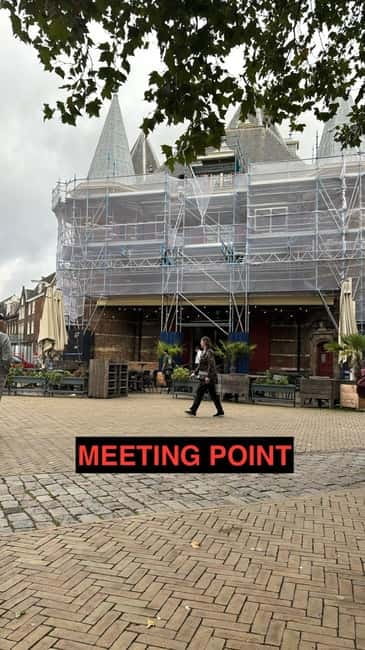
- Start at De Waag: Meet at the entrance of this castle-like building in Nieuwmarkt Square, not its back side.
- Follow the Jewish Quarter’s changing story: Stops link Jewish settlement and commerce with Amsterdam’s wider city history.
- Hear Anne’s diary in context: Excerpts help connect the persecution of a community to one young person’s experience.
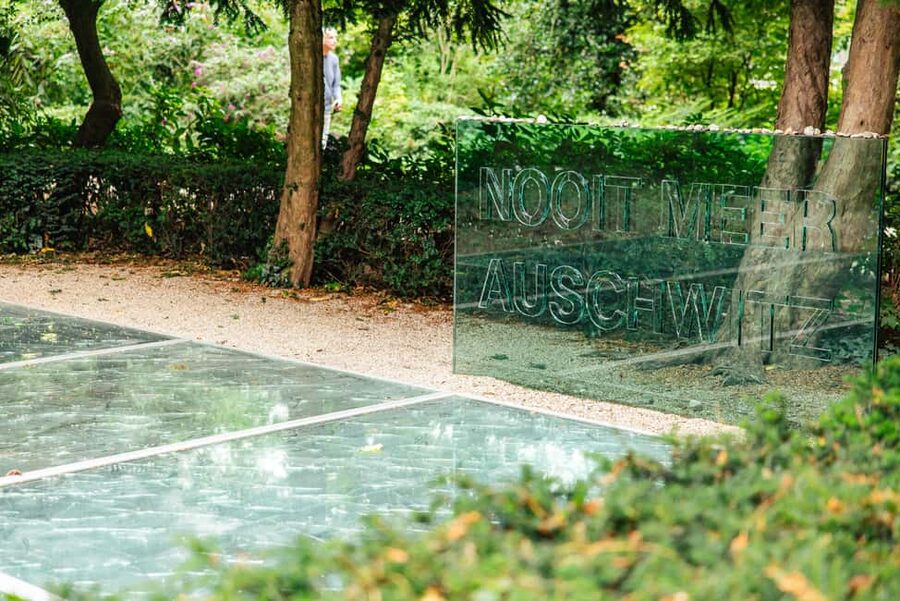
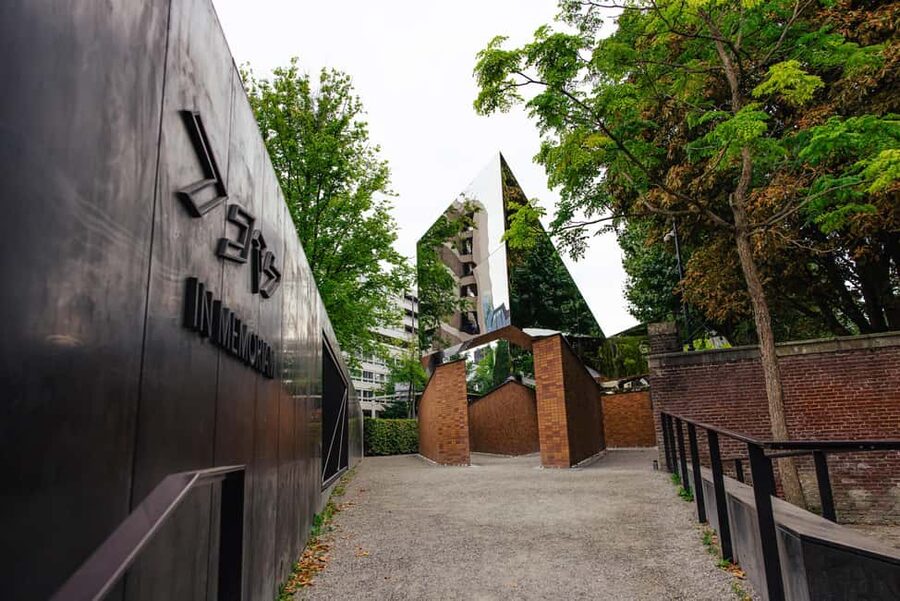
- Visit significant outdoor memorials: The route includes Stolpersteine, the Auschwitz Monument, the Dokwerker and the National Holocaust Names Monument.
- Choose one language: Tours run in English, German, Italian or Spanish, not as bilingual tours.
- Pay for context, not admission: At $28 per person, the value is a guided route and interpretation; no entry fees are required on the walk.
A walk through Jewish Amsterdam, not an Anne Frank House visit

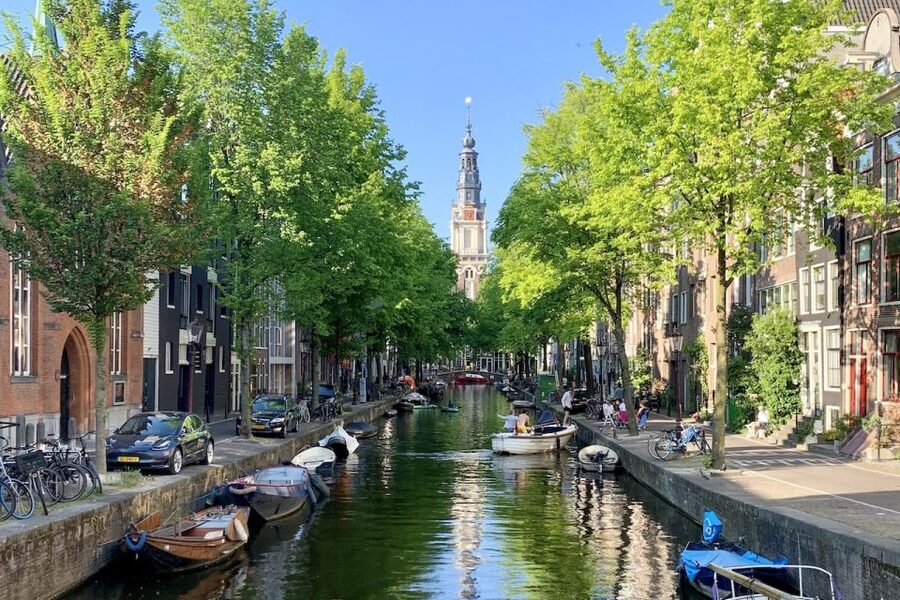
This two-hour tour begins at Waag, the striking historic building on Nieuwmarkt Square, and follows a roughly 2 to 3 kilometer route through sites connected to Amsterdam’s Jewish past and present. The subject is weighty, but the walk is not limited to the Holocaust. It also looks at Jewish settlement, the city’s commercial growth, resistance, remembrance and the community today.
That broader frame matters. Amsterdam’s Jewish story includes achievement and cultural influence as well as persecution and loss. The tour explains how Jews expelled from Spain by the Inquisition helped shape the city, why this part of Amsterdam became a place to settle, and how Jewish and non-Jewish lives overlapped in the neighborhood.
Anne Frank’s story helps give the history an intimate focus. Her diary is used as a thread through the walk, with passages read at relevant points. That can make the places feel less like a sequence of dates and monuments, while the guide’s wider context helps you understand that Anne’s experience was part of a much larger catastrophe.
Set your expectations clearly: this tour does not go to, or show you, the Anne Frank House. If visiting the house is important to you, you’ll need to arrange that separately. This walk is better understood as a guided history of the Jewish Quarter and wartime Amsterdam, with Anne’s writing as one important lens.
Starting at Waag in Nieuwmarkt Square
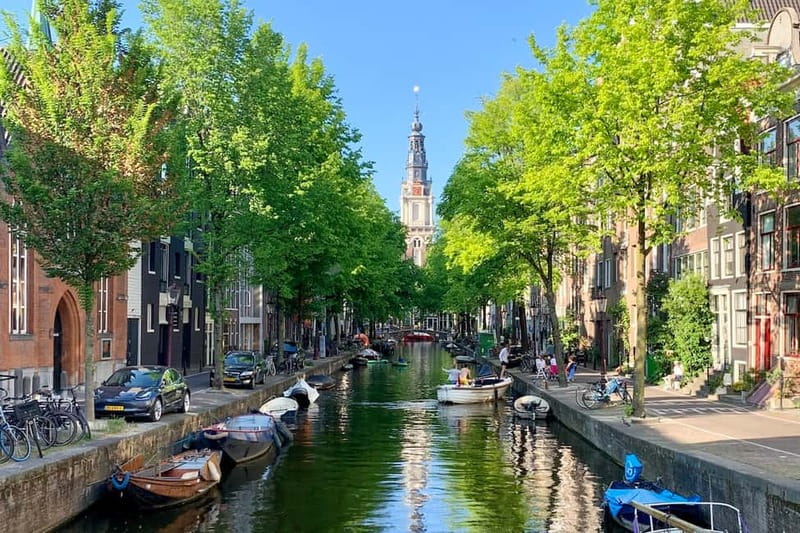
Meet your guide at the entrance to De Waag, in the middle of Nieuwmarkt Square. The building looks a little like a small castle, which makes it a useful landmark, but the meeting directions warn that map apps can send you to the wrong side. If you see the coffeeshop Jolly Joker, you’re at the back; walk around the building to its entrance.
Your guide is identified by a red name tag. Arrive with enough time to find the correct side and settle in, especially if you’re unfamiliar with the square. The tour starts in one of Amsterdam’s historic buildings, but the focus is on the surrounding streets and the story they help tell.
A guide’s skill matters on a subject this complex. The best fit for you will be someone who can explain the history with care, keep the group engaged and leave room for questions. Guides named in past experiences include Sarah, Amelia, Emilia, Valentina, Lili, Bianca, Deborah, Josh, Charlotte, Linn, Julia, Beatrice, Kaya and David. You can’t assume you’ll get a particular guide, but the feedback points to a recurring strength: personal, well-paced storytelling, often with diary excerpts.
More Anne Frank tours in Amsterdam:
- Anne Frank’s Story – Guided Walking Tour through Amsterdam
★ 5.0 · 11,619 reviews - Amsterdam: Life of Anne Frank and World War II Walking Tour
★ 4.8 · 10,467 reviews - Amsterdam: Anne Frank Guided Small Group Walking Tour
★ 4.8 · 2,722 reviews
Nieuwmarkt, Zuiderkerk and Huis de Pinto
The first stop is Nieuwmarkt Square, where the guide sets the scene for the Jewish Quarter and its place in the city. You’ll spend about ten minutes here. Rather than treating the square as a photo backdrop, expect an introduction to the neighborhood and the reasons this part of Amsterdam mattered.
The route then pauses at Zuiderkerk for another short explanation. The value of these early stops is the gradual build-up: you get a sense of the area’s urban setting before moving into the more specific stories of Jewish Amsterdam and wartime events.
At Huis de Pinto, the stop is brief, about five minutes. Together, these first locations help make the route feel like a walk through a lived-in district, not a string of isolated monuments. Keep in mind that the tour is outdoors and moving, so the guide’s spoken explanation is central to what you take away.
Rembrandt House and Sint Antoniesluis

The stop at Rembrandt House lasts about fifteen minutes, one of the longer pauses on the route. It offers a chance to discuss how people of different backgrounds lived in the same quarter. Rembrandt, the famous painter, had his home in the middle of the Jewish neighborhood, a detail that helps place the area within Amsterdam’s broader cultural life.
The tour does not promise a visit inside the house. Think of this as a guided stop connected to the neighborhood’s history, rather than a museum admission. If you want to explore Rembrandt House itself, check separately for access and opening details.
At Sint Antoniesluis, the group spends about ten minutes. This stop continues the neighborhood story as the route moves between streets, waterways and historic sites. The pace is steady rather than strenuous, but you’ll be standing and walking for much of the two hours. Comfortable shoes are a practical must, not a fashion suggestion.
Portuguese Synagogue and the Jewish Historical Museum
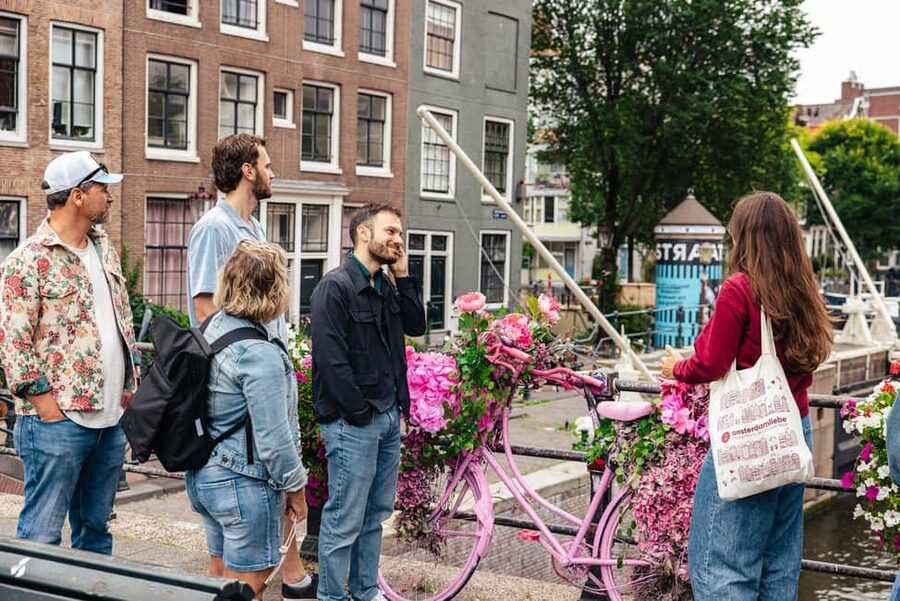
The Portuguese Synagogue is one of the route’s key landmarks, with about ten minutes set aside for a guided stop and photos. Its presence points to the long history of Jewish life in Amsterdam, not only the years of occupation and deportation. The tour passes by the synagogue; no interior visit is included.
A short stop follows at the Jewish Historical Museum. Again, the tour’s plan is a guided explanation, not museum entry. The distinction is useful when planning your day: you’ll see significant sites and hear their context, but this is a walking tour with no admission fees or indoor museum visits promised.
The route also points out Jewish relics and traces such as Stolpersteine, small memorial markers placed in the pavement, as well as the gate of the old plague cemetery. These details can be easy to miss when you walk alone. With a guide, you can learn why they matter and how they fit into the history of the people who lived here.
More walking tours in Amsterdam:
- Absolutely Amsterdam – the Essential Introductory Walking Tour
★ 5.0 · 3,629 reviews - Amsterdam: Guided Cultural Walking Tour
★ 4.9 · 2,384 reviews - Amsterdam: Guided Ganja Walking Tour of Coffee Shops
★ 4.2 · 2,092 reviews - Anne Frank Walking Tour Amsterdam Including Jewish Cultural Quarter
★ 5.0 · 1,879 reviews
Auschwitz Monument and the February Strike
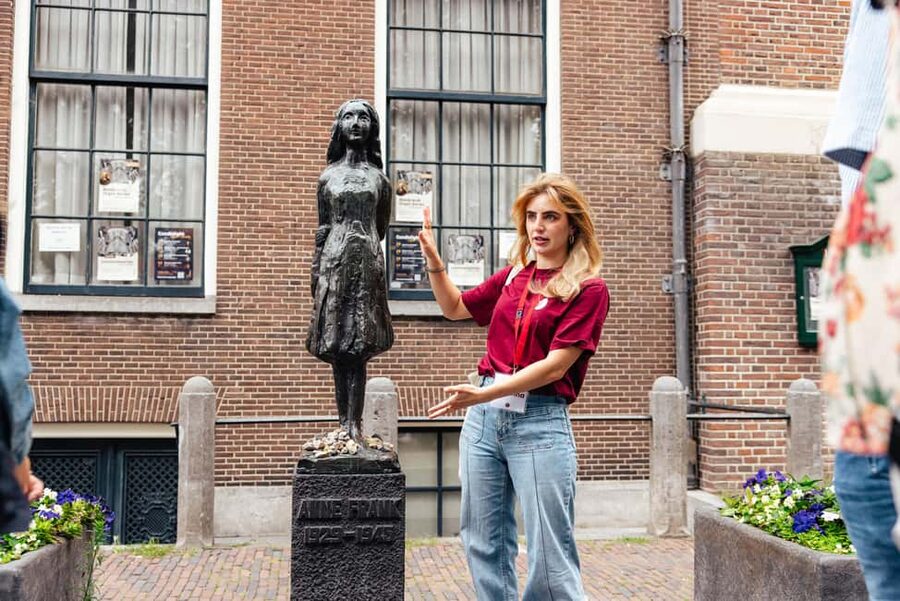
The Auschwitz Monument is a ten-minute stop and one of the tour’s most solemn moments. It brings the Holocaust’s human cost into view and gives the guide a place to explain the mass deportations from Amsterdam. Thousands of people were deported, and few returned.
The tour also includes the Dokwerker, a memorial linked to the February Strike of 1941. This stop is about five minutes, but it introduces an important act of public resistance. You’ll hear about how non-Jewish Amsterdammers protested the persecution of Jews, alongside the risks taken by Jewish and non-Jewish people who helped others evade deportation.
These memorial stops are not interchangeable. One speaks directly to mass murder and remembrance; the other points to a moment when people resisted. Together, they make the tour more than a succession of tragedies. They help you consider how different people responded under occupation, while keeping the scale of the loss firmly in view.
National Holocaust Names Monument
The route’s final listed stop is the National Holocaust Names Monument, where about fifteen minutes are set aside for a guided explanation and photos. The names make remembrance personal and specific. After learning about a neighborhood and a community, you stand among names that represent lives taken during the Holocaust.
This is also a fitting place for the tour’s central method to come together. The diary excerpts offer an individual voice; the monuments and names show the wider reach of persecution. Guides have been praised for reading Anne’s words with feeling while remaining respectful, and for answering questions without rushing the group through difficult material.
There is a small practical wrinkle in the end-point information: the route identifies the monument as the finish, while the activity details also say the tour ends back at the meeting point. If your onward plans depend on the exact endpoint, confirm it before setting off.
How the guides shape the experience
The guide is the main reason to book this tour rather than simply walk the route with a map. The historic sites are important, but the connections between them are not always obvious. A good guide can explain how Jewish history, the occupation, resistance and Anne Frank’s story relate without flattening them into one narrative.
Past guide names include Valentina, Josh, Emilia, Deborah, Charlotte, Julia, Bianca and David. Different people have different styles, but the strengths noted repeatedly are clear explanations, a warm manner, thoughtful answers and a steady pace. Some guides use pictures or diary passages, and some invite discussion as they go. These details can make a two-hour walk feel more like a conversation than a lecture.
The tour is offered in English, German, Italian or Spanish. It is not bilingual, so choose the language you want when booking. The included guide is described as German or English, while the activity’s language options also list Italian and Spanish. Check the available session carefully to make sure the language you need is offered at your chosen time.
Is $28 fair value for two hours?
At $28 per person, you’re paying for a guide and a carefully connected walking route, not access to major interiors. Since the sights can be visited without admission fees, the value depends on how much context and interpretation matter to you. If you want to understand what you’re seeing, the guide-led format has a clear purpose.
The route’s length is modest, and two hours is a manageable way to learn about a serious subject without giving over your whole day. You cover a lot of ground in a focused period, from the Jewish Quarter’s earlier history to wartime resistance and present-day Jewish life. A private group is available if you prefer a more personal format, though the group size and any price difference are not specified here.
You’ll get the most from the price if you’re curious about Amsterdam beyond its familiar canals and want a thoughtful introduction to its Jewish history. If your only goal is to enter the Anne Frank House, this is not the right purchase on its own.
Practical details before you go
Wear comfortable shoes and bring water. The walk covers about 2 to 3 kilometers, with several short stops and some longer pauses. It runs in all weather, so bring weather-appropriate clothing and an umbrella if rain is possible.
There are no admission fees during the walk, and food and drinks are not included. Plan those around the tour rather than expecting a café stop as part of the experience. Wheelchair access is listed, but the route’s exact street conditions are not described, so contact the provider if you need specific access information.
You can cancel up to 24 hours ahead for a full refund, and a reserve-now, pay-later option is available. Starting times depend on availability, so check the session that suits your plans and confirm the correct language before booking.
Should you book this Amsterdam walk?
Book it if you want a grounded introduction to Amsterdam’s Jewish Quarter, wartime history and acts of resistance, told through both public landmarks and Anne Frank’s diary. Its strongest feature is the guide’s ability to connect the stops and keep the story humane and clear. It also works well early in a visit, when the background can help you make sense of other sites around the city.
Skip it if you expect to tour the Anne Frank House or go inside the synagogue or museum. Those are not part of this walk. For $28, I think it’s worthwhile when you want two hours of meaningful context, provided you’re ready for a serious subject and a little walking in whatever weather Amsterdam sends your way.
FAQ
Does the tour visit the Anne Frank House?
No. The Anne Frank House is not visited or seen during this walking tour.
How long is the tour?
The tour lasts about two hours.
How far will I walk?
The route covers approximately 2 to 3 kilometers.
What languages are available?
The tour is offered in English, German, Italian or Spanish. It is not bilingual, so choose one language.
Where does the tour start?
Meet your guide at the entrance to De Waag, in Nieuwmarkt Square. The guide will wear a red name tag.
How do I find the correct entrance at De Waag?
If you see the coffeeshop Jolly Joker, you are on the wrong side of the building. Walk around to the entrance.
Are admission fees included?
No admission fees are required during the tour. Food and drinks are also not included.
Is the tour wheelchair accessible?
Wheelchair access is listed for the activity. For specific route or access questions, contact the provider before booking.
Does the tour run in rain?
Yes. It takes place in all weather. Bring an umbrella and clothing suited to the forecast.
Can I book a private tour or cancel?
Private groups are available. You can cancel up to 24 hours in advance for a full refund, and a reserve-now, pay-later option is offered.
Added lately in Amsterdam
- Nemo Science Museum Admission★ 5.0 · 4 reviews
- Off the Beaten Paths Dutch Landscape Private Tour 1/2 day Jaguar★ 5.0 · 10 reviews
- Northern Highlights Tour: visit 4 magnificent places from Amsterdam★ 5.0 · 5 reviews
- Off the beaten paths Dutch Country Side Private Tour in Jaguar★ 5.0 · 5 reviews
- From Amsterdam: Day Trip to Rotterdam, Delft & Hague with Cruise★ 3.0 · 15 reviews
- Amsterdam : Keukenhof FlowerFarm Privatetour Skip-The-Line ticket★ 5.0 · 33 reviews
- NEMO Science Museum Amsterdam Admission Ticket★ 4.5 · 36 reviews
- Amsterdam Light Festival: Canal Cruise + Bite & Unlimited Drinks★ 4.5 · 20 reviews
Anne Frank Tours, compared.

Anne Frank’s Story – Guided Walking Tour through Amsterdam
Read our review →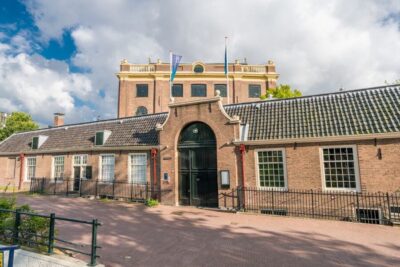
Life of Anne Frank and World War II Walking Tour
Read our review →
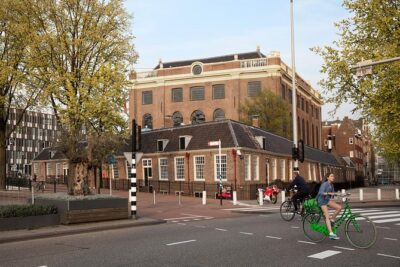
Anne Frank Walking Tour Amsterdam Including Jewish Cultural Quarter
Read our review →
Anne Frank’s Last Walk & See Anne Frank House in Virtual Reality
Read our review →
Anne Frank and Jewish Quarter Amsterdam Private Walking Tour
Read our review →
Browse the lists this tour appears in