Reviewed · AMSTERDAM TOURS
Financial History Tour
Amsterdam’s financial past comes into focus on this 2.5-hour walk, which links a former exchange building, a bank basement now used by the city archives, and the floating flower market. Along the way, your guide explains how merchants made their money and how Tulip Mania became an early economic bubble.
I like two things in particular: the private format, which gives your group room to ask questions and adjust the pace, and the unusual mix of places, from grand exchange architecture to a basement treasury. The guide praised by name, Tijs de Boer, is noted for pairing financial history with useful local tips.
One consideration: this is a walking tour with a moderate fitness requirement, and the route is about 2.5 hours. If you are looking for a broad survey of Amsterdam’s sights rather than a focused story about money and trade, this may not be the best fit.
- Start at Beurs van Berlage: A former exchange building near Dam Square sets the scene for Amsterdam’s financial story.
- Step into the city archives: See the basement treasury of a 1920s bank building, now part of Stadsarchief Amsterdam.
- Follow the money: Hear about the rich merchants who helped shape Amsterdam’s financial past.
- Explore the Tulip Mania story: The floating flower market provides the setting for a discussion of the early economic bubble.
- Book for your own group: The private tour costs $390.50 for up to 10 people, with no other group joining.
- Finish near the start: The walk ends on Rokin, about 500 meters from the meeting point.
Why Amsterdam’s financial past makes a good walking tour
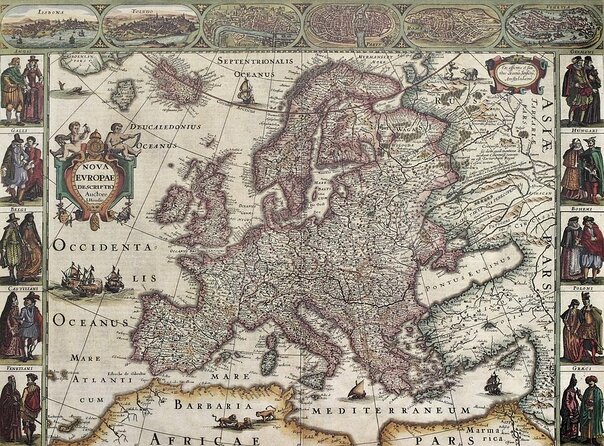
Amsterdam is often approached through its canals, museums, and architecture. This tour offers a different thread: how money helped shape the city’s culture and heritage. Instead of treating finance as a set of abstract terms, the guide ties it to buildings and places you can see along the way.
That approach is useful if you want more than a quick look at prominent facades. The Beurs van Berlage gives the walk an architectural starting point, while the former bank basement and the floating flower market add more unusual stops. The central question is practical and human: who made money in Amsterdam, and how?
The tour also puts the history of Dutch financial innovation on the agenda. The guide discusses wealthy merchants and Tulip Mania, which is presented as an early economic bubble. You do not need to arrive with a background in economics. The subject is introduced through local places and stories rather than through a lecture in a classroom.
Starting at Beurs van Berlage
The meeting point is Bistro Berlage at Beursplein 1, near the Beurs van Berlage. The building is one of the exchange buildings built around Dam Square, and it makes a fitting first stop for a tour about money and trade.
You have about 10 minutes here. That is enough time to begin placing the building in the tour’s wider story, but it is not a long architectural visit. Admission is free, so this stop adds context without an extra ticket cost.
The building also helps anchor the route in the center of Amsterdam. You are not starting with an abstract timeline; you begin beside a place connected to exchange and commerce. If you enjoy seeing how a city’s financial life left a mark on its buildings, this is a good opening.
A few more Amsterdam options worth a look
- Amsterdam: Van Gogh Museum Ticket
★ 4.7 · 52,054 reviews - Amsterdam Classic Saloon Boat Cruise with Drinks and Cheese
★ 5.0 · 31,825 reviews - Amsterdam Luxury Canal Cruise + Unlimited Drinks & Bites option
★ 5.0 · 30,518 reviews
Finding the financial heart of the city
From the exchange building, the walk turns to Amsterdam’s historic and financial heart. This portion is about why financial activity took place here and how the city developed around it.
The precise stop name and duration are not specified, so it is best to think of this as a section of the route rather than a separate ticketed attraction. The value comes from the guide’s explanation and the way the surrounding streets help frame the story. You can ask questions in the moment, which is one of the practical advantages of a private tour.
The route is designed to reveal less obvious details as well as well-known central locations. That does not mean every stop is a long visit or a museum-style experience. Expect a walking narrative, with places serving as prompts for the financial history being explained.
Entering the Stadsarchief basement
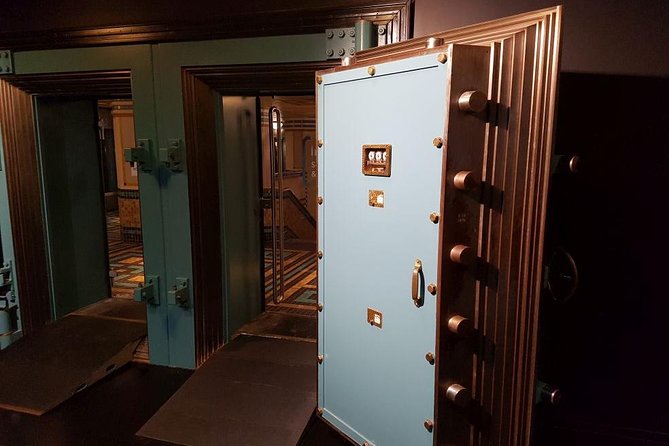
At Stadsarchief Amsterdam, you visit the basement of a 1920s bank building. Its former vaults now house part of the city archives, described as the treasury of the archives. The stop lasts about 10 minutes, and admission is included.
This is one of the tour’s most distinctive details. A bank vault is an immediate, tangible way to connect finance with the physical spaces where valuables were once secured. Now the basement holds the city’s records, giving the stop a second purpose: the place that once protected wealth now helps preserve Amsterdam’s history.
Because the visit is short, do not expect a full tour of the archives. It is a focused stop that supports the larger story, rather than a substitute for spending time at the archives independently. If you are especially interested in the building or the collections, you may want to plan a separate visit, though the tour information does not specify what access is available beyond this stop.
Meeting the merchants behind the money
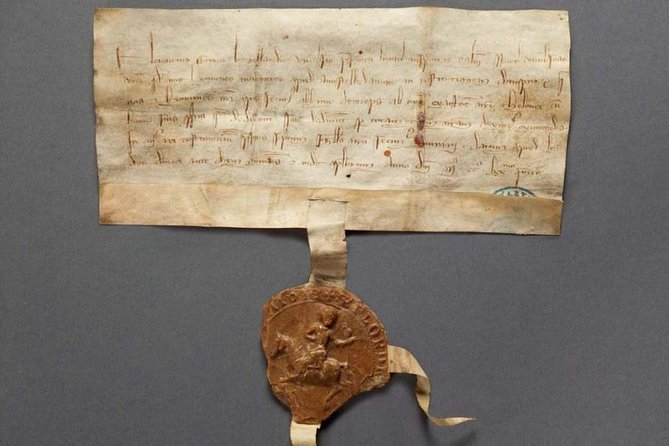
The tour asks who Amsterdam’s wealthy merchants were and how they made their fortunes. That question helps turn financial history into a story about people, work, and ambition.
The supplied details do not name particular merchants or promise a set list of biographies. Your guide is the person who brings this part to life, explaining the connections between the city’s financial center and the people who benefited from it. The private format makes this a natural point to ask for clarification or follow a line of interest.
The strongest guide-specific praise names Tijs de Boer, who is described as offering insights and local hints on a wide range of subjects. That is a useful combination on a city walk: a clear focus on financial history, with the chance to pick up practical suggestions for the rest of your stay. The name is not a guarantee that he will lead every departure, so treat it as an indication of the style of guiding rather than a promised assignment.
Or step off the canal ring for a bit:
- Amsterdam: Heineken Experience Ticket
★ 4.6 · 30,055 reviews - Amsterdam: Rijksmuseum Entry Ticket
★ 4.7 · 25,535 reviews - Amsterdam: Classic Boat Cruise with Optional Cheese & Wine
★ 4.6 · 22,925 reviews - Amsterdam: Evening Cruise with Optional Wine and Snacks
★ 4.4 · 19,696 reviews
Tulip Mania at the floating flower market
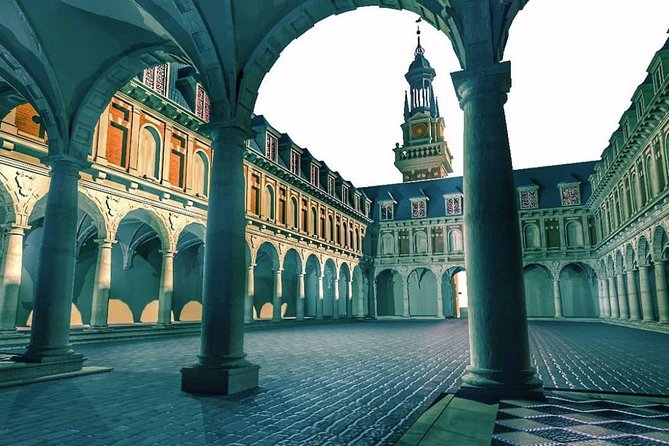
The floating flower market is where the tour turns to Tulip Mania and the creation of an early economic bubble. The subject is a memorable way to consider how excitement, demand, and the value people place on an investment can move markets.
The market also gives the financial story a setting that feels very different from an exchange building or a bank vault. You are not just hearing about trade in the abstract; you are standing at a well-known Amsterdam location while the guide explains the bubble associated with tulips. The tour details do not specify how long you spend here, or whether any purchases are included, so think of it primarily as a place for interpretation and photos.
This is also one of the tour’s promised photo opportunities. The stops include some of Amsterdam’s iconic locations, but the walk is not described as a dedicated photography tour. Bring a camera if you like taking pictures, while keeping in mind that the central purpose is the history and the guide’s explanations.
What the private format means in practice
Only your group takes part, and the tour is described as flexible. That matters if you want to ask questions, pause over a subject, or keep the experience more personal than a large group walk. It does not mean every route detail is guaranteed to change on request, but it gives you a more direct conversation with the guide.
The group limit is 10 people. At $390.50 per group, the price works out to $39.05 each if all 10 places are filled. For a smaller party, the per-person cost rises: two people would effectively pay $195.25 each, while five would pay $78.10 each. The price is therefore easiest to justify for a full group or for people who place a high value on a private guide.
The tour is offered in English and uses a mobile ticket. It lasts about two and a half hours, so plan enough time for walking and standing. A moderate level of physical fitness is recommended. No route distance is given, and the stops are in central Amsterdam, but you should still choose comfortable footwear for a walking experience.
A central route with a useful finish
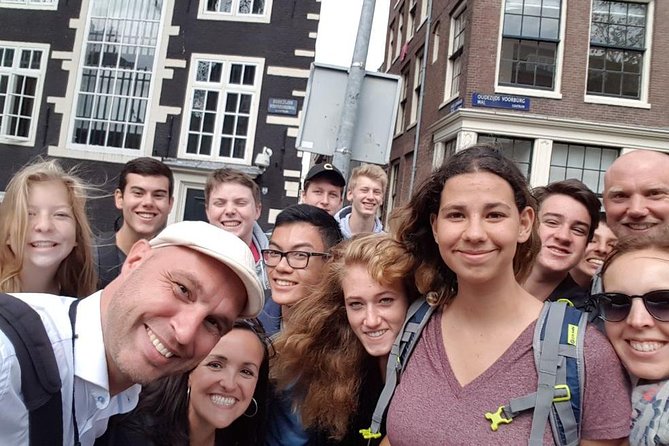
The tour begins at Bistro Berlage, Beursplein 1, and ends at Rokin 24HS, on the other side of Dam Square. The finish is about 500 meters from the starting point, which makes it easy to continue exploring the center afterward or head toward public transportation. The tour information confirms that the meeting point is near public transportation, but does not name a specific station or line.
This relatively short gap between start and finish is helpful for planning. You do not need to arrange a return transfer to the meeting point, though you may want to check the exact route and transit options for your plans. The itinerary is a walking route, not a bus or boat excursion.
The tour is often booked around 28 days ahead on average. That is a useful planning signal, not a rule or guarantee of availability. If you want a particular date, especially for a private group, booking ahead is sensible.
Who should book this tour
I would choose this walk if you are curious about how finance shaped Amsterdam, enjoy a guide-led explanation of places you might otherwise pass without context, or want a private tour where your group can ask questions. The mix of exchange architecture, an old bank basement, merchant stories, and Tulip Mania gives the walk a clear theme without relying on a single museum visit.
It is a particularly good match for travelers who have already seen the obvious sights and want a more focused subject, or for anyone with a real interest in markets and economic history. Families or mixed-interest groups may also appreciate the private format, though the tour is best suited to people willing to spend two and a half hours walking and listening.
I would look elsewhere if you want a general overview of Amsterdam, a long visit inside the archives, or a tour centered on art, canal scenery, or interiors. The value here depends on your interest in the stories behind money and commerce. For a group of several people, the price can be reasonable for a private guide; for one or two people, it is a more expensive way to spend an afternoon.
Should you book it?
Book this tour if the question of how Amsterdam made its money interests you, and you want a personal guide to connect that story to places in the city. The former bank vault and Tulip Mania discussion give the walk a more specific character than a standard city introduction, while the private format leaves room for your own questions.
Skip it if financial history is not a subject you want to spend two and a half hours on, or if the group price feels steep for your party size. If the theme fits, it offers a thoughtful way to see central Amsterdam through commerce, rather than only through its famous views.
FAQ
How long is the Financial History Tour?
The tour lasts approximately 2 hours and 30 minutes.
How much does the tour cost?
It costs $390.50 per group, for up to 10 people.
Is the tour private?
Yes. Only your group participates.
What language is the tour offered in?
The tour is offered in English.
Where does the tour start?
It starts at Bistro Berlage, Beursplein 1, 1012 JW Amsterdam.
Where does the tour end?
It ends at Rokin 24HS, 1012 KS Amsterdam, about 500 meters from the starting point.
Which places are included in the route?
Stops include Beurs van Berlage, Stadsarchief Amsterdam, Amsterdam’s financial heart, and the floating flower market.
Is admission included at the stops?
Admission is free at Beurs van Berlage and included at Stadsarchief Amsterdam. The tour information does not specify admission arrangements for the other stops.
What level of fitness is recommended?
A moderate level of physical fitness is recommended.
Can I cancel for a refund?
Yes. You can cancel for a full refund up to 24 hours before the experience’s start time. Cancellations made less than 24 hours ahead are not refunded, and changes made within that period are not accepted.
Added lately in Amsterdam
- Private Amsterdam Red Light District tour with food tastings★ 5.0 · 6 reviews
- Anne Frank and Jewish Culture Private Walking Tour in Amsterdam★ 4.5 · 38 reviews
- Amsterdam: Van Gogh Museum Entrance and Guided Tour★ 3.5 · 3 reviews
- Private Amsterdam WW2 walking tour★ 4.5 · 15 reviews
- Amsterdam: Guided Red Light District and City Walking Tour★ 4.5 · 15 reviews
- 2-Hour Private Anne Frank Walking Tour with Drink★ 5.0 · 3 reviews
- Amsterdam Photography Masterclass – Private Photography Lesson★ 5.0 · 32 reviews
- Private Amsterdam Red Light District tour including sex museum★ 4.5 · 75 reviews
Amsterdam Tours, compared.
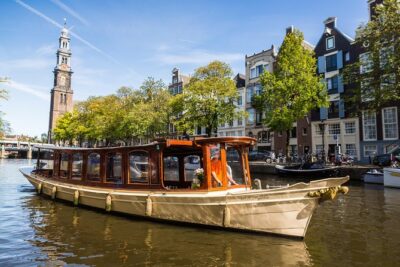
Amsterdam Classic Saloon Boat Cruise with Drinks and Cheese
Read our review →
Amsterdam Luxury Canal Cruise + Unlimited Drinks & Bites option
Read our review →


Classic Boat Cruise with Optional Cheese & Wine
Read our review →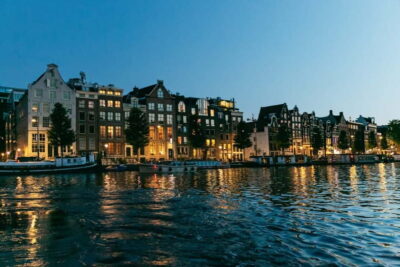
Evening Cruise with Optional Wine and Snacks
Read our review →