Reviewed · AMSTERDAM TOURS
Amsterdam: Royal Diamond Experience
Amsterdam’s diamond story gets personal inside Royal Coster Diamonds, where a private guide leads you through working cutting and polishing rooms before showing you stones up close. The one-hour visit links the city’s royal past to the craft behind a diamond’s sparkle.
I like the small-group attention and the chance to see diamond work in progress, not just finished jewelry behind glass. I also like that the tour explains how to judge a stone, so you leave with useful knowledge rather than only a souvenir bag.
One consideration: this is a diamond business as well as a historic attraction. You’ll have the chance to buy stones with advice from staff, so decide in advance whether you’re browsing or shopping. The tour is also not suitable for wheelchair users.
Key points to know
- See working cutting and polishing rooms: The factory visit gives the craft a human scale, with a master craftsman at work.
- Learn how to assess a diamond: Your guide explains the four Cs and why some stones sparkle more than others.
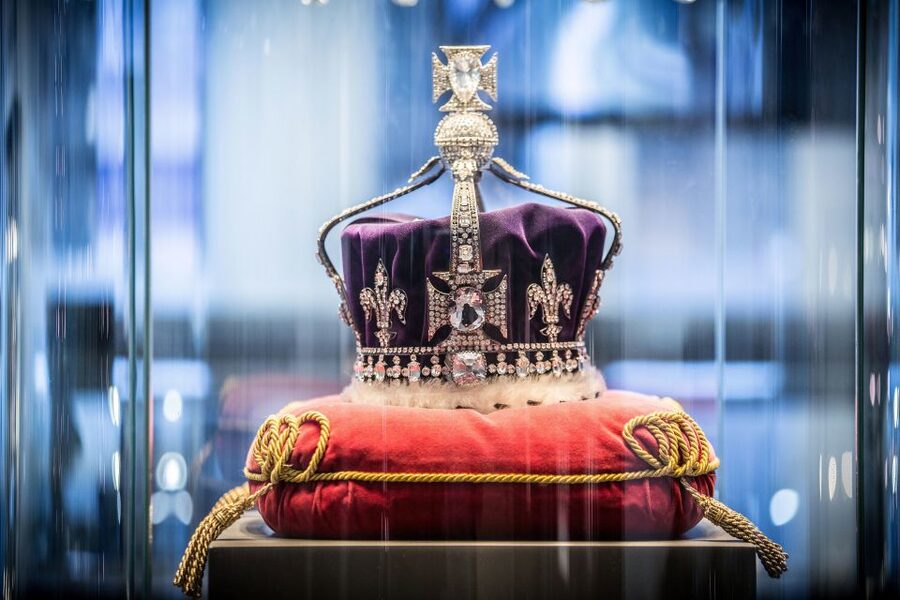
- Enter a private collection room: You’ll see selected pieces from an extensive collection, including precious diamond artefacts associated with the Koh-i-Noor.
- Hear Amsterdam’s royal connections: Royal Coster Diamonds dates to 1840 and has welcomed figures including Empress Sisi and King Rama V.
- Expect a sales opportunity: You can ask experts about buying diamonds, but purchasing is not required.
- Plan for a one-hour visit: The tour starts and ends at Paulus Potterstraat 2, near Amsterdam’s Museum Quarter.
From Paulus Potterstraat into Amsterdam’s diamond past
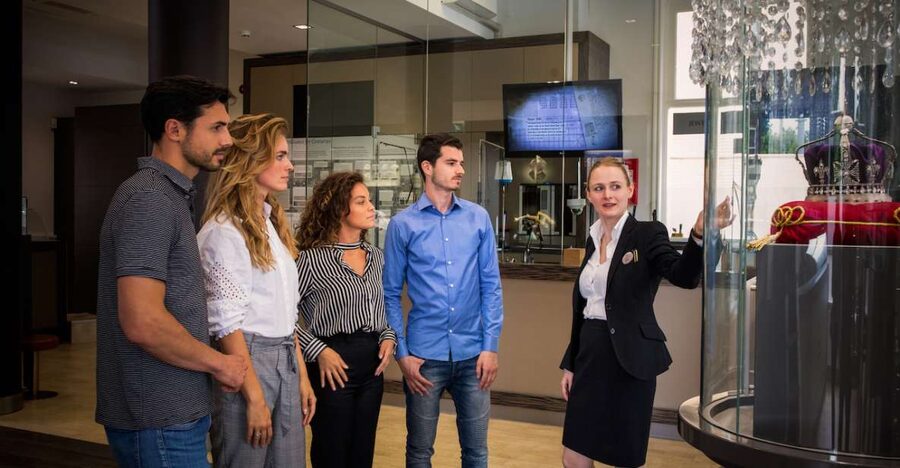
Royal Coster Diamonds sits at Paulus Potterstraat 2, in a monumental 19th-century villa. The address is a useful anchor if you’re already exploring central Amsterdam, though the attraction itself is indoors and focused on diamonds rather than a broad city-history tour.
The company dates to 1840. Its royal connections include Empress Sisi, the Viceroy of China, King Rama V, and Prince Napoleon. Those names help explain the word Royal in the experience’s title, but the tour is not just a parade of famous visitors. Its stronger thread is how Amsterdam became known for diamond work and how skilled hands transform rough material into a finished stone.
Your guide tells this story in a private group, which makes it easier to ask questions than in a large, fixed-format museum tour. The visit takes about an hour, so it fits neatly into a day without asking you to give up a long stretch of sightseeing.
The tour is offered in more than 35 languages, but availability depends on staff. English tours are always guaranteed. If you need another language, check before booking rather than assuming it will be available on your chosen date.
A few more Amsterdam options worth a look
- Amsterdam: Van Gogh Museum Ticket
★ 4.7 · 52,054 reviews - Amsterdam Classic Saloon Boat Cruise with Drinks and Cheese
★ 5.0 · 31,825 reviews - Amsterdam Luxury Canal Cruise + Unlimited Drinks & Bites option
★ 5.0 · 30,518 reviews
Cutting rooms where the craft becomes visible
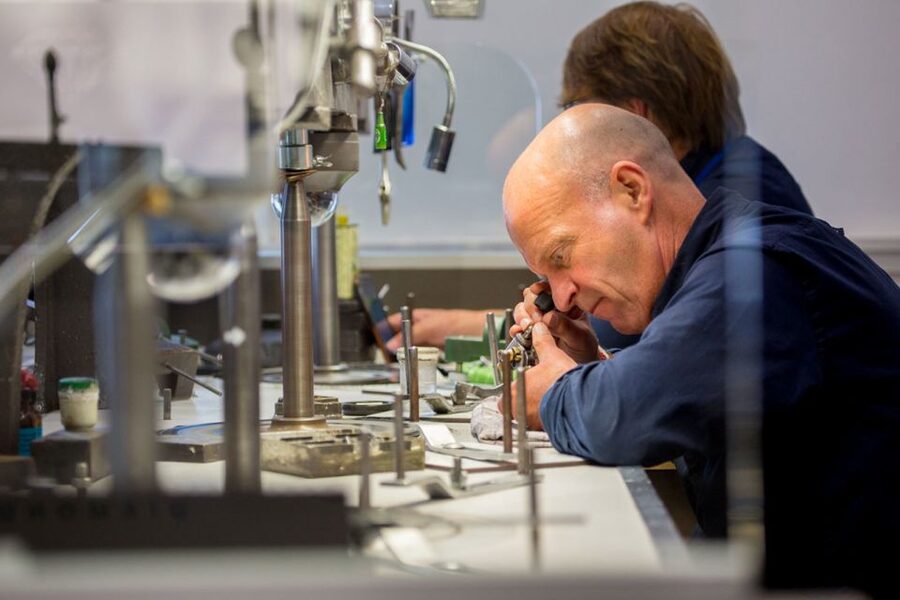
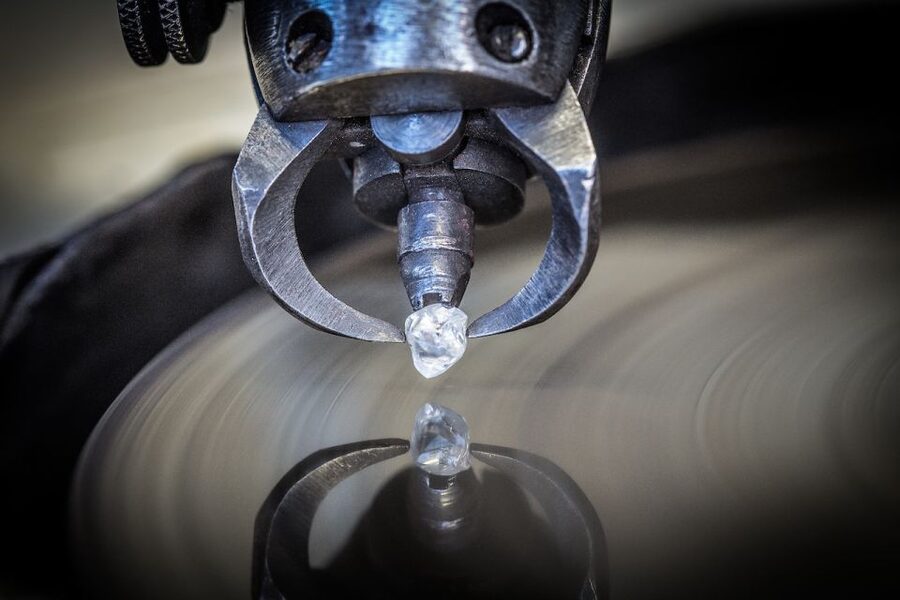
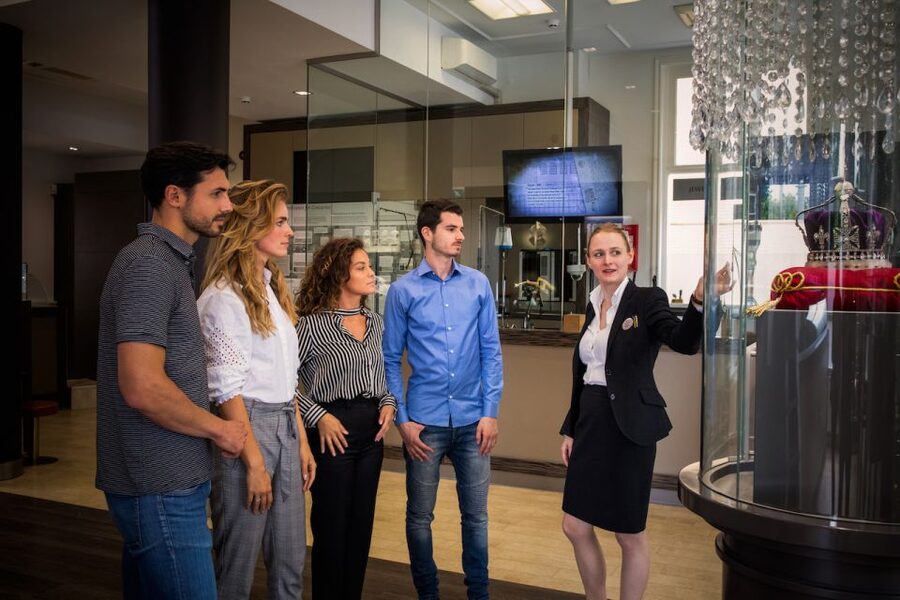
The factory portion is where the experience moves beyond names and dates. You’ll be shown the cutting and polishing rooms, including the work of a master craftsman. Watching someone handle a diamond makes the process easier to picture than a display case or a few diagrams can.
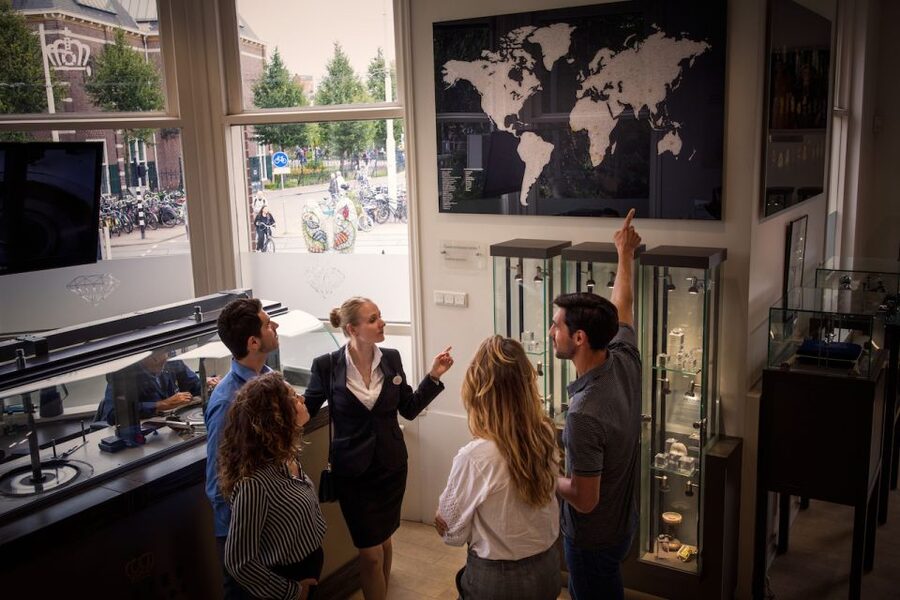
A diamond’s value and appearance depend on more than its size. The guide explains how cut, colour, clarity, and imperfections affect the stone, and why some diamonds seem to catch more light. You’ll also have a chance to look at diamonds through eyeglasses, bringing the details closer than you can see with the naked eye.
This part is especially useful if you’ve ever found diamond grading confusing. Terms such as clarity and cut can sound abstract until you’re comparing actual stones and looking for differences. The guide’s explanations give you a practical way to notice what you’re seeing.
Keep your expectations grounded: this is a tour through a diamond business, not a promise that you’ll see every stage of production or spend a long time at each workstation. The visit lasts one hour and includes several parts. Still, even a short look at the working rooms gives the craft a reality that a retail display alone can’t provide.
The private room and the stones on the table
After the factory rooms, the tour continues into a private room in one of the villas. Here, the focus shifts from how diamonds are worked to how they are assessed and valued. Your guide can bring out a range of stones and explain differences in grading, including clarity, colour, cut, and visible imperfections.
Seeing stones side by side is the useful part. A written grade tells you something, but a comparison helps you understand what that grade means to the eye. The stones shown on tours have ranged from a few hundred pounds to a much higher value, so you may see how price can vary widely even among diamonds that initially look similar.
The collection is described as the largest outside Antwerp, and the tour includes selected pieces rather than a full, independent museum visit. Precious diamond artefacts associated with the Koh-i-Noor are among the sights. The details matter here: you’re seeing a collection and learning its context, not necessarily viewing the famous Koh-i-Noor diamond itself.
This room also gives you time to ask questions. If you have a particular interest in jewelry, or you’re considering a purchase, the private setting can make it easier to talk through what matters to you. If you’re simply curious, you can focus on learning how to look at a stone without turning the visit into a shopping trip.
Royal stories, without losing sight of the workmanship
The royal connections add a lively thread to the tour. Empress Sisi, the Viceroy of China, King Rama V, and Prince Napoleon are among the notable visitors associated with the company. Those stories put the business in a broader historical setting and help explain why Amsterdam’s diamond trade drew attention.
The most satisfying version of the visit ties those names back to the work itself. A royal story can catch your ear, but the craft rooms and close-up grading lesson give you something more concrete to take away. You learn not only who came to admire the stones, but also what skilled work goes into making them shine.
Guides are central to how the tour feels. Angela has been described as engaging, helpful, and accommodating, while Lyanne has been noted for a professional, empathetic approach. They are examples of the personal guiding that can make this experience feel more like an introduction to the workshop than a walk through a conventional museum. You should not assume a particular guide will lead your tour, but expect a live guide rather than an audio-only visit.
Or step off the canal ring for a bit:
- Amsterdam: Heineken Experience Ticket
★ 4.6 · 30,055 reviews - Amsterdam: Rijksmuseum Entry Ticket
★ 4.7 · 25,535 reviews - Amsterdam: Classic Boat Cruise with Optional Cheese & Wine
★ 4.6 · 22,925 reviews - Amsterdam: Evening Cruise with Optional Wine and Snacks
★ 4.4 · 19,696 reviews
A private tour, with a shopping question attached
The private-group format is one of the experience’s clearest advantages. You can ask questions as they come up, and a guide can adapt the explanation to your interests. Families with teenagers may find that especially helpful: the visit has practical demonstrations and close-up viewing, not just a long talk about dates.
There is also a business side. At the end, you’re given the opportunity to buy diamonds with advice from experts. That can be useful if you’re seriously shopping and want to understand grading before making a decision. If you aren’t, treat the sales opportunity as part of the setting and remember that buying is optional.
I’d recommend arriving with a simple plan. If you’re curious about the craft, ask how cutting changes a stone’s appearance. If you’re interested in buying, prepare questions about grading and price. If you’re not shopping, say so plainly and keep the focus on the tour. The available information points to a guided experience that includes the option to purchase, not a requirement to do so.
A goody bag is included. It’s a modest extra rather than the main reason to book, but it gives the visit a pleasant finish. Drinks and meals are not included, so don’t count on refreshments as part of the hour.
Is $26 a fair price for an hour?

At $26 per person, this is a short paid attraction, so the value depends on whether you want more than a quick look at jewelry. You’re paying for a private guide, access to the factory rooms, close-up diamond viewing, and a lesson in how stones are judged. If those details interest you, the hour offers more substance than a basic shop visit.
The price is less compelling if you only want to see a famous diamond or browse finished pieces. The tour’s value lies in the combination of craft, history, and explanation, not in a guarantee of seeing a particular object or making a purchase. It is also brief, so don’t expect an extended workshop or a half-day museum experience.
For someone weighing the cost against a general city attraction, consider what you’ll carry away. You’ll have a better grasp of the four Cs and a clearer sense of what diamond workers do. That makes the experience particularly worthwhile for jewelry enthusiasts, curious shoppers, and families with older children who like hands-on learning.
Timing, language, and practical planning
Set aside about an hour, and check the available starting times when booking. The tour begins and ends at Paulus Potterstraat 2, 1071 CZ Amsterdam. Because it returns to the same meeting point, you can plan the rest of your day without arranging a separate end location.
English is guaranteed. Tours in more than 35 other languages may be available, but they depend on staff availability. If a particular language is essential, confirm it before you commit.
The activity is not suitable for wheelchair users. That is important to know before booking, as the visit takes place in a historic villa and includes factory areas. Meals and drinks are not included.
You can cancel up to 24 hours ahead for a full refund, and the booking option allows you to reserve now and pay later. Those terms can help if you’re still shaping your Amsterdam schedule, but the main decision is whether the subject itself appeals to you.
Who will get the most from the visit?
I’d put this tour high on the list for anyone who enjoys jewelry, design, or learning how a luxury object is made. The chance to inspect stones and hear how grading works gives you an idea you can use again, even if you never buy a diamond.
It also suits a family with teens who like crafts and close-up demonstrations. One family visit with two teenage daughters was especially memorable for the daughter who already loved fine jewelry, but the format’s mix of storytelling and practical detail can work for a wider range of interests.
If your Amsterdam plans are packed with major museums, this is a compact alternative rather than a full-day commitment. If you have no interest in diamonds, or you dislike tours that include a retail setting, you may prefer to spend the hour elsewhere. The best fit is a curious visitor who wants to understand the work behind the sparkle and is comfortable browsing in a place that also sells diamonds.
Should you book the Royal Diamond Experience?
Book it if you want a guided look at diamond craftsmanship, a clear introduction to grading, and a dose of Amsterdam’s royal and trade history in a private setting. The working rooms and the private collection room make the hour more engaging than a display-only visit, while the guide gives you room to ask questions.
Skip it if you’re looking for a long museum visit, a guaranteed look at the Koh-i-Noor diamond itself, or an attraction with no shopping element. At $26, it makes sense for curious minds and jewelry fans, especially if you’ll enjoy comparing stones and learning what makes one sparkle differently from another.
FAQ
How long does the Royal Diamond Experience last?
The tour lasts about one hour.
Where does the tour start?
It starts at Paulus Potterstraat 2, 1071 CZ Amsterdam.
Where does the tour end?
The activity ends back at the meeting point on Paulus Potterstraat.
Is the tour private?
Yes. It is offered as a private group tour.
What language is guaranteed?
English tours are always guaranteed. Other languages may be available based on staff availability.
What is included in the price?
The price includes a diamond factory tour, a guide in your chosen available language, and a goody bag.
Are food and drinks included?
No. Drinks and meals are not included.
Can I buy diamonds during the visit?
Yes. You have the opportunity to purchase diamonds and receive personal advice from experts. Buying is optional.
Is the tour wheelchair accessible?
No. The activity is listed as not suitable for wheelchair users.
Can I cancel for a refund?
Yes. You can cancel up to 24 hours in advance for a full refund.
Added lately in Amsterdam
- Private Amsterdam Red Light District tour with food tastings★ 5.0 · 6 reviews
- Anne Frank and Jewish Culture Private Walking Tour in Amsterdam★ 4.5 · 38 reviews
- Amsterdam: Van Gogh Museum Entrance and Guided Tour★ 3.5 · 3 reviews
- 2-Hour Private Anne Frank Walking Tour with Drink★ 5.0 · 3 reviews
- Private Amsterdam WW2 walking tour★ 4.5 · 15 reviews
- Amsterdam: Guided Red Light District and City Walking Tour★ 4.5 · 15 reviews
- Amsterdam Photography Masterclass – Private Photography Lesson★ 5.0 · 32 reviews
- Private Amsterdam Red Light District tour including sex museum★ 4.5 · 75 reviews
Amsterdam Tours, compared.

Amsterdam Classic Saloon Boat Cruise with Drinks and Cheese
Read our review →
Amsterdam Luxury Canal Cruise + Unlimited Drinks & Bites option
Read our review →


Classic Boat Cruise with Optional Cheese & Wine
Read our review →
Evening Cruise with Optional Wine and Snacks
Read our review →