Reviewed · AMSTERDAM TOURS
LGBTQI+ History Tour of Amsterdam
Amsterdam’s LGBTQI+ story comes into focus on this walk with Henk, a guide who lived through the beginning of the city’s gay movement. From a monument for gay victims to the historic bar where the tour ends, the route links landmarks with the people and struggles behind them.
I like that the tour connects LGBTQI+ history to Amsterdam’s broader story, including its 17th-century city planning and wartime past. I also like the small group limit of 15, which leaves room to ask Henk questions and hear personal context, not just dates.
One consideration: this is a two-hour walking tour, not a visit inside the Royal Palace or a tour with included food and drinks. Wear comfortable shoes, bring water, and expect the value to come from Henk’s stories and the walk between stops.
- Start at the Gay Monument: Hear why the Netherlands created the first monument of its kind.
- Get Henk’s personal perspective: He brings lived experience of the early gay movement in Amsterdam.
- See the center through a different lens: The route links LGBTQI+ life with the palace, Dam Square, the Red Light District and Chinatown.
- Finish at Café ’t Mandje: The tour ends at a historic gay bar on Zeedijk, within walking distance of Central Station.
- Plan for a focused walk: It lasts about two hours, runs in English and caps the group at 15.
- Know what the price covers: At $42.33 per person, you’re paying for the guide; bring your own water and walking shoes.
A two-hour walk through Amsterdam’s LGBTQI+ past
This tour is less about ticking off landmarks than about learning to read them differently. You move through the compact center, but the stories reach across centuries, from gay life in the 17th century to the fight for rights and recognition in more recent times.
The route begins at Westermarkt and ends in Chinatown, near Amsterdam Central Station. That makes it a useful way to connect two parts of the city on foot, while giving the familiar sights between them a new frame.
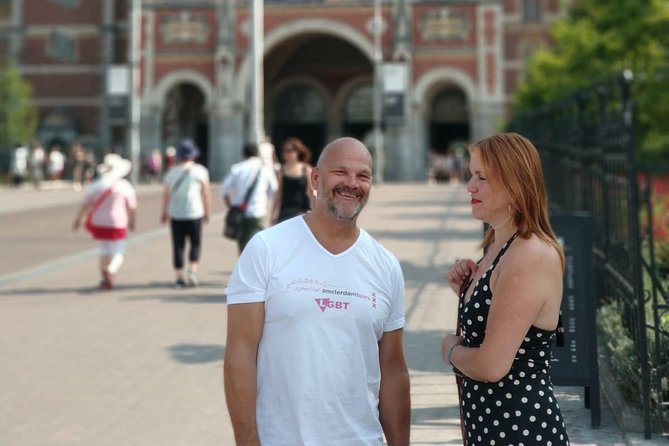
Henk is central to the experience. He lived through the beginning of Amsterdam’s gay movement, and his own perspective gives the tour a personal dimension that a guidebook cannot supply. The tone, based on the way the tour is described, can move from humor and poetry to difficult memories, including the loss of loved ones to AIDS.
That range matters. LGBTQI+ history is not only a story of progress or celebration. A good walk needs room for courage, grief, political change and ordinary life. Henk’s approach brings those strands together with Amsterdam’s wider history, so the city is not reduced to a single subject.
Beginning at the Gay Monument
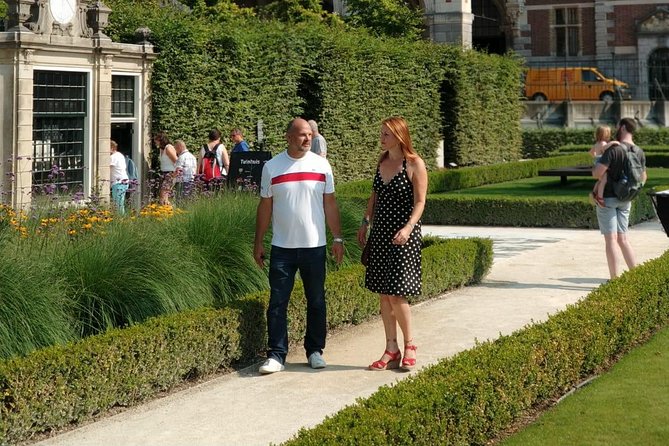
Meet at Westermarkt 2L, beside the Gay Monument. The monument honors gay victims of the past, present and future, and gives Henk a clear starting point for explaining how the Netherlands came to have the first monument of its kind in the world.
The planned stop lasts about 30 minutes, the longest pause on the route. That time allows the monument to be more than a quick photo stop. You can hear why it was created and consider the purpose of memorials that look backward while also speaking to the present and future.
This is a thoughtful place to begin, but it also sets the emotional tone. The tour addresses discrimination and loss alongside community and rights. If you want a light sightseeing stroll with no serious subject matter, this may not be the right fit. If you value a candid account of how civil rights were won and why their history should be kept visible, this opening is a strong reason to go.
A few more Amsterdam options worth a look
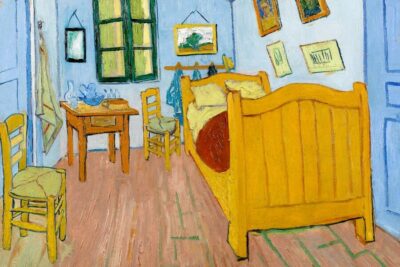
- Amsterdam: Van Gogh Museum Ticket
★ 4.7 · 52,054 reviews - Amsterdam Classic Saloon Boat Cruise with Drinks and Cheese
★ 5.0 · 31,825 reviews - Amsterdam Luxury Canal Cruise + Unlimited Drinks & Bites option
★ 5.0 · 30,518 reviews
Along the canals to the Royal Palace
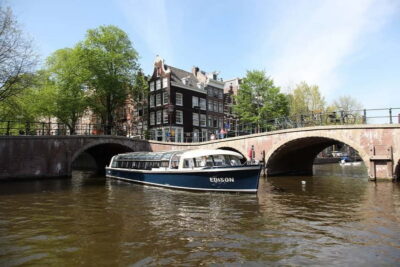
From Westermarkt, the group walks along the canals toward Dam Square. On the way, Henk points out 17th-century houses and discusses Amsterdam’s early city planning, described as a first example of planned urban design.
This stretch is useful because it gives you a wider setting for the LGBTQI+ stories. The tour does not treat gay life as a separate chapter sealed off from the city’s past. Instead, architecture, urban growth and social history sit beside one another, helping explain how people lived in the Amsterdam of earlier centuries.
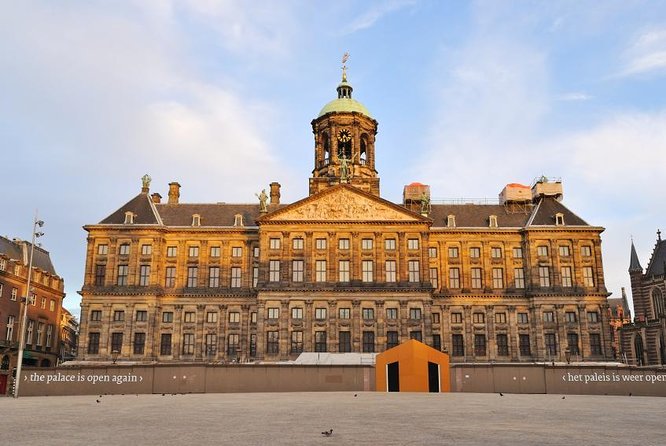
At the Royal Palace, the focus turns to the building’s origins and its connection to gay life in the 17th century. The stop is about 15 minutes. You will not go inside, and palace admission is not included, so think of this as an outdoor history stop rather than a palace tour.
That distinction is worth keeping in mind if you are hoping to explore the rooms. The palace may be worth a separate visit, but the purpose here is to hear how its story connects with the city’s queer past. You get a concise stop and then continue on foot.
Dam Square, with more than the usual landmarks
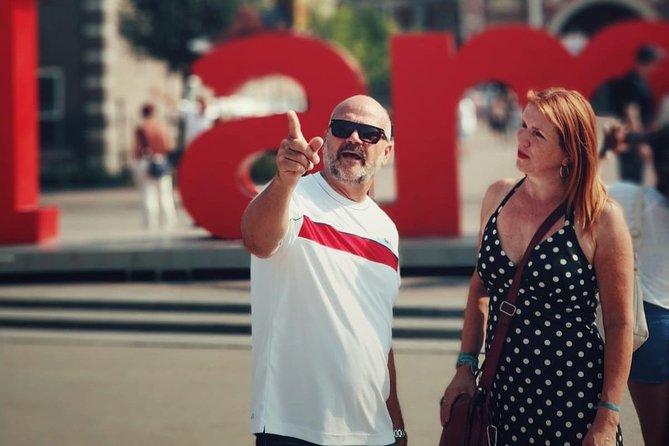
Dam Square is one of Amsterdam’s central meeting places, and the tour gives it about 10 minutes. Henk connects its wider history with LGBTQI+ life, adding another layer to a square you might otherwise cross on the way to somewhere else.
The short stop means you should not expect an extended lecture on every building or event around the square. Instead, it forms part of a continuous story, with the guide using well-known places to make less visible histories easier to see.
I like this kind of stop because it changes how you notice the city after the tour. A central square is not just a location on a map. It is also a place where public life, power and community meet, and where the meaning of belonging can shift over time.
Through the Red Light District and the leather street
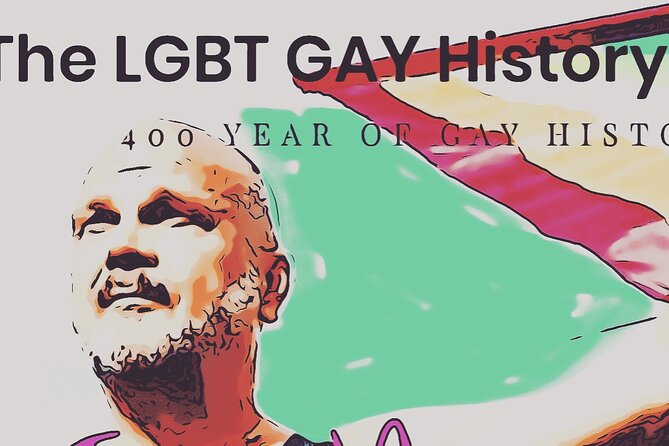
The walk continues through the Red Light District, where Henk talks about the area and Amsterdam’s leather street. The route is an opportunity to ask questions if you want more detail about the district, rather than a promise of a long, specialized visit to each street.
That makes the experience flexible. You can follow the main thread of the tour or ask about a topic that interests you, while keeping in mind that the walk has a set two-hour length and several stops still to come. If the Red Light District is already on your plans, this gives you a chance to understand it within a broader LGBTQI+ context.
The mix of subjects is part of the tour’s appeal. It moves from memorials and rights to nightlife and community spaces, showing that LGBTQI+ life in Amsterdam has never been confined to one monument or one neighborhood.
Or step off the canal ring for a bit:
- Amsterdam: Heineken Experience Ticket
★ 4.6 · 30,055 reviews - Amsterdam: Rijksmuseum Entry Ticket
★ 4.7 · 25,535 reviews - Amsterdam: Classic Boat Cruise with Optional Cheese & Wine
★ 4.6 · 22,925 reviews - Amsterdam: Evening Cruise with Optional Wine and Snacks
★ 4.4 · 19,696 reviews
Chinatown and a final stop at Café ’t Mandje
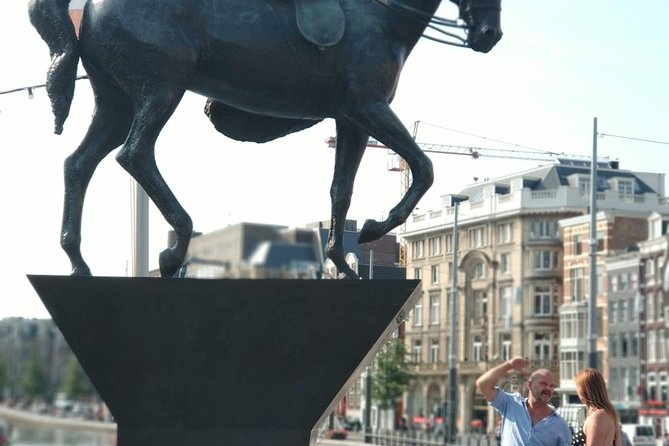
In Chinatown, Henk tells the story of a street once known as the roughest in Amsterdam, and discusses the oldest gay bar in the city. He also explains why German soldiers in the Second World War were not allowed in this part of town.
These details place LGBTQI+ history within the pressures and rules of a particular time. They also make the route more than a sequence of sites linked only by distance. Each stop adds a different kind of context: public memory at the monument, city planning along the canals, political history at Dam Square, and community life in Chinatown.
The walk ends at Café ’t Mandje, on Zeedijk 63. The bar is associated with Bet van Beeren, and the ending gives the tour a more intimate finish than a final stop at a grand civic landmark. You are close to Central Station, making it easy to continue your day from there.
A few people who took the tour have found the chance to see a lesbian-owned bar and meet its new owner memorable, though that should not be treated as a guaranteed part of every visit. The sure thing is the tour’s endpoint at Café ’t Mandje and the chance to finish in a venue tied to Amsterdam’s LGBTQI+ past.
Henk’s stories are the main event
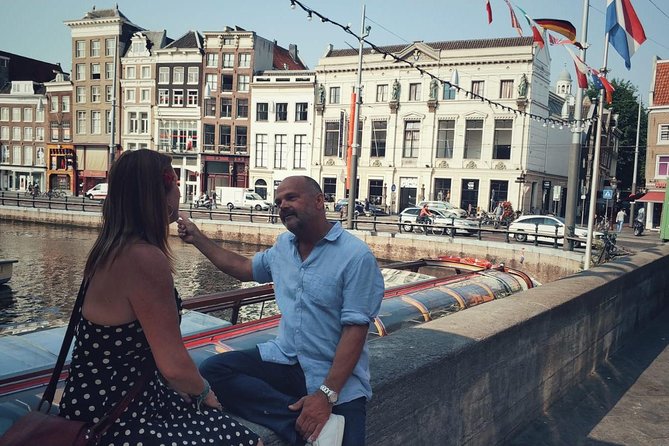
The walk’s strongest asset is the guide. Henk combines historical explanation with personal anecdotes, and the tour can include Dutch poetry, humor and space for questions. His lived experience of the early gay movement gives his account a directness that helps connect public events to the lives behind them.
The subject matter can be moving. Henk’s stories include the effects of AIDS and the loss of loved ones, as well as the work still needed to secure equal rights. That candor is a strength, but it also means the tour may feel more reflective than a standard city walk.
The group size helps make that style work. With a maximum of 15 people, you are not part of a large crowd straining to hear a guide across a busy square. A small group also makes it easier to ask questions and have a conversation as you walk.
The experience is welcoming to straight allies as well as LGBTQI+ participants. You do not need to identify a particular way to understand the history or take part. The tour’s focus is on the city and its community, and Henk is described as open to questions from the group.
Is $42.33 fair value?
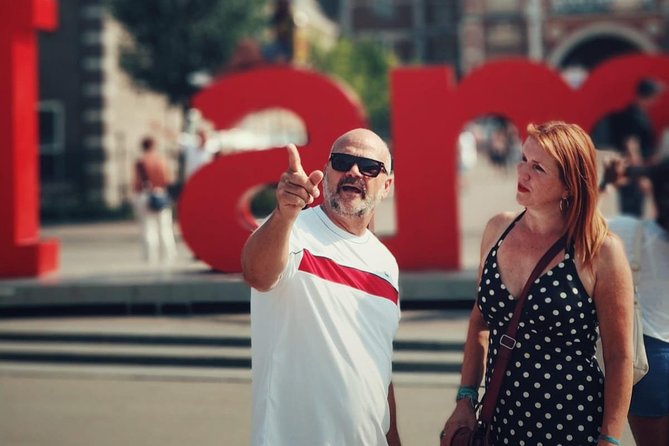
At $42.33 per person, this is not the cheapest way to spend two hours in Amsterdam, especially since the fee covers the tour guide only. You need to bring your own water, and the Royal Palace is not included as an interior visit.
The value depends on what you want from a city walk. If your priority is a broad survey of famous sights or paid entry to attractions, this is not the best use of your budget. The route covers a small part of central Amsterdam, and its purpose is to explain the LGBTQI+ stories attached to that area.
If you want an informed, personal account of the city’s queer past, the price buys something more specific than a standard orientation walk. Henk’s experience, the small group and the chance to ask questions are the main reasons to consider it worthwhile. It also adds context to familiar places you may visit again on your own.
The tour is offered in English and lasts about two hours. It starts at 11:00 am at Westermarkt 2L and finishes at Café ’t Mandje. Comfortable walking shoes and water are practical essentials. The experience requires good weather and a minimum number of participants; if poor weather or low enrollment cancels it, you are offered another date or a full refund. You can cancel for a full refund up to 24 hours before the start time.
Who will get the most from this walk?
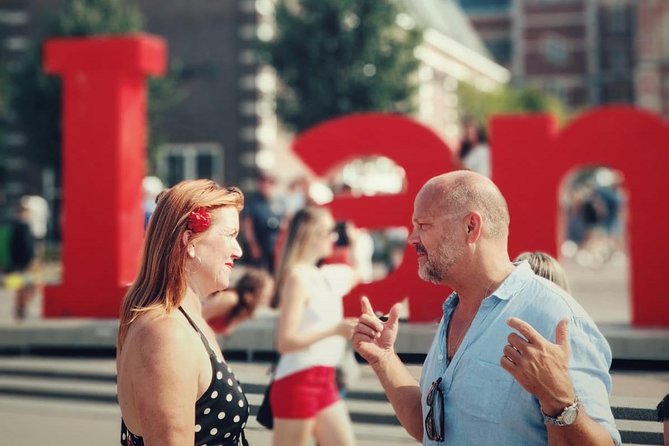
I would choose this tour if you want Amsterdam’s LGBTQI+ history told by someone with a personal connection to the movement, rather than a general city overview. It suits LGBTQI+ visitors, straight allies, history-minded walkers and anyone who wants to understand the city beyond its best-known postcard views.
It is also a good early-trip activity if you want a different way to orient yourself. The route passes central areas you may return to, and Henk can offer recommendations for what to do afterward. The walk is compact enough to fit into a day, but its subject matter may stay with you longer.
Skip it if you are after a palace interior, a food-and-drink outing or a purely lighthearted stroll. The tour is focused, sometimes emotional, and mostly about listening while walking between stops. For the right visitor, that focus is exactly the point.
FAQ
How long is the tour?
The walking tour lasts about two hours.
What time does it start, and where do I meet?
It starts at 11:00 am at Westermarkt 2L, 1016 DW Amsterdam.
Where does the tour finish?
It ends at Café ’t Mandje, Zeedijk 63, in Chinatown. The finish is within walking distance of Central Station.
Is the tour offered in English?
Yes. The tour is offered in English.
Is the Royal Palace visit included?
No. The group sees the Royal Palace from outside and hears about its history, but does not go inside. Palace admission is not included.
What is included in the price?
The price includes the tour escort or guide. Bring your own water and walking shoes.
Added lately in Amsterdam
- Private Amsterdam Red Light District tour with food tastings★ 5.0 · 6 reviews
- Anne Frank and Jewish Culture Private Walking Tour in Amsterdam★ 4.5 · 38 reviews
- Amsterdam: Van Gogh Museum Entrance and Guided Tour★ 3.5 · 3 reviews
- Private Amsterdam WW2 walking tour★ 4.5 · 15 reviews
- Amsterdam: Guided Red Light District and City Walking Tour★ 4.5 · 15 reviews
- 2-Hour Private Anne Frank Walking Tour with Drink★ 5.0 · 3 reviews
- Private Amsterdam Red Light District tour including sex museum★ 4.5 · 75 reviews
- Amsterdam Photography Masterclass – Private Photography Lesson★ 5.0 · 32 reviews
Amsterdam Tours, compared.
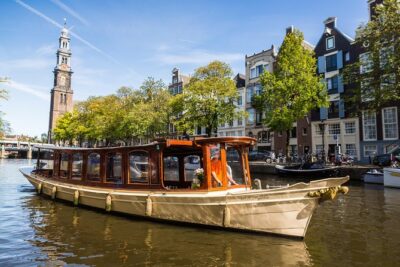
Amsterdam Classic Saloon Boat Cruise with Drinks and Cheese
Read our review →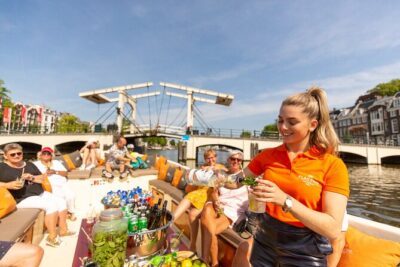
Amsterdam Luxury Canal Cruise + Unlimited Drinks & Bites option
Read our review →


Classic Boat Cruise with Optional Cheese & Wine
Read our review →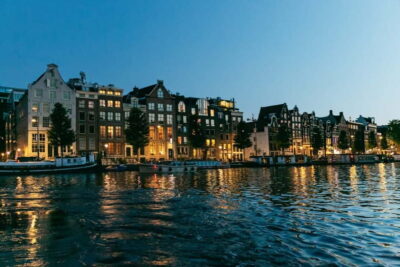
Evening Cruise with Optional Wine and Snacks
Read our review →