
Reviewed · AMSTERDAM JEWISH HISTORY TOURS
Amsterdam: Dutch WWII Resistance Museum Entry Ticket
The Dutch Resistance Museum tells the occupation through choices made by ordinary people: help someone hide, forge a document, join a strike, or risk joining an armed group. That human scale makes this more than a chronology of battles and dates.
I like two things in particular: the personal accounts make the dilemmas feel immediate, and the audio guide lets you choose how much detail to hear. One consideration: there is a lot to read and listen to, so a quick visit can leave important parts behind. Set aside two to three hours if you can.
What to Know Before You Go
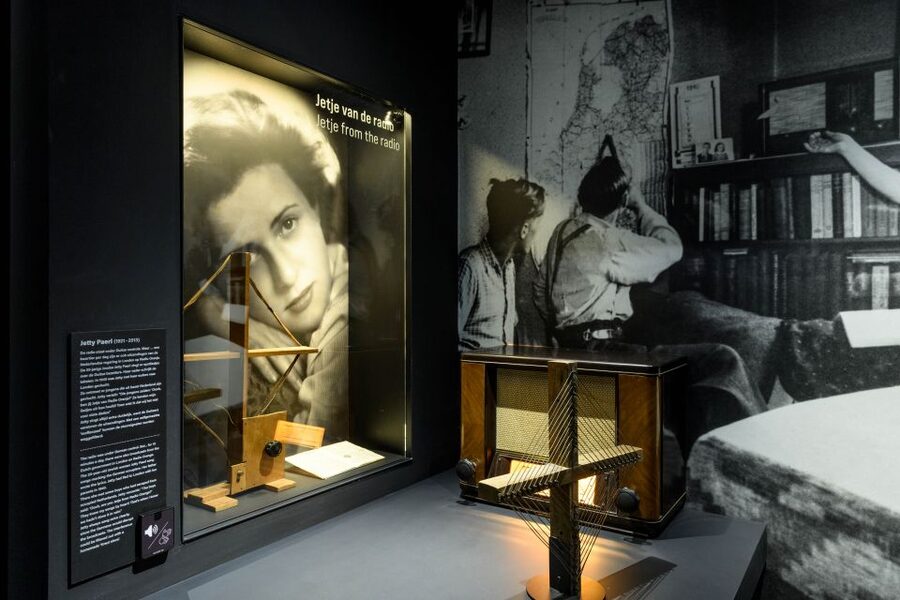
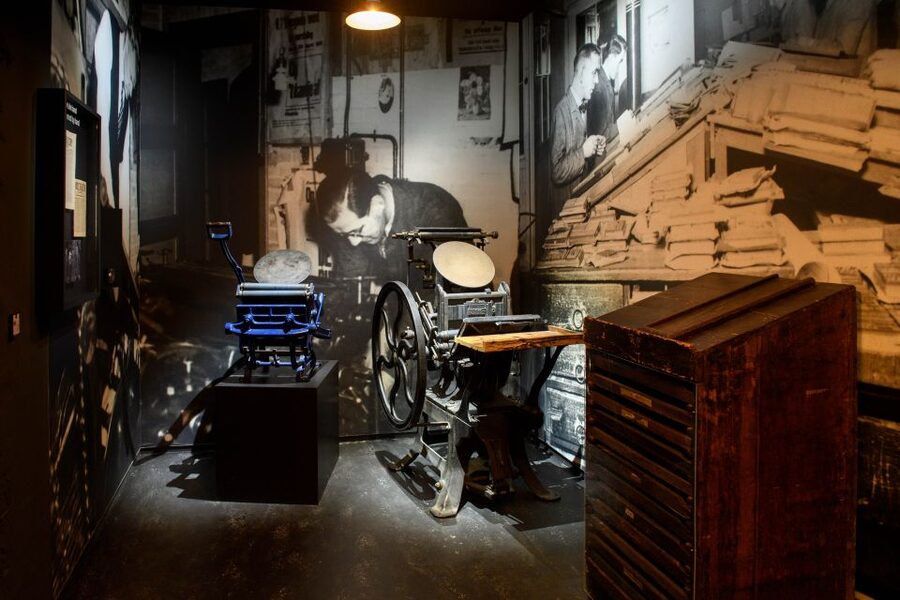
- The story reaches beyond armed resistance: You’ll encounter strikes, forged papers, underground newspapers, escape routes, espionage, and help for people in hiding.
- Everyday life is part of the history: Photos, objects, films, and personal documents show how occupation affected daily decisions and relationships.
- The audio guide is included: It is available in Dutch, English, French, German, Italian, Spanish, and Portuguese. You can choose which exhibit stories to hear.
- The Dutch East Indies has its own section: The museum also covers the experiences of people in the former Dutch colony under Japanese rule.
- Plan for a thoughtful, unhurried visit: Many visitors spend about two to three hours. The museum is wheelchair accessible.
The Occupation Told Through Ordinary Choices
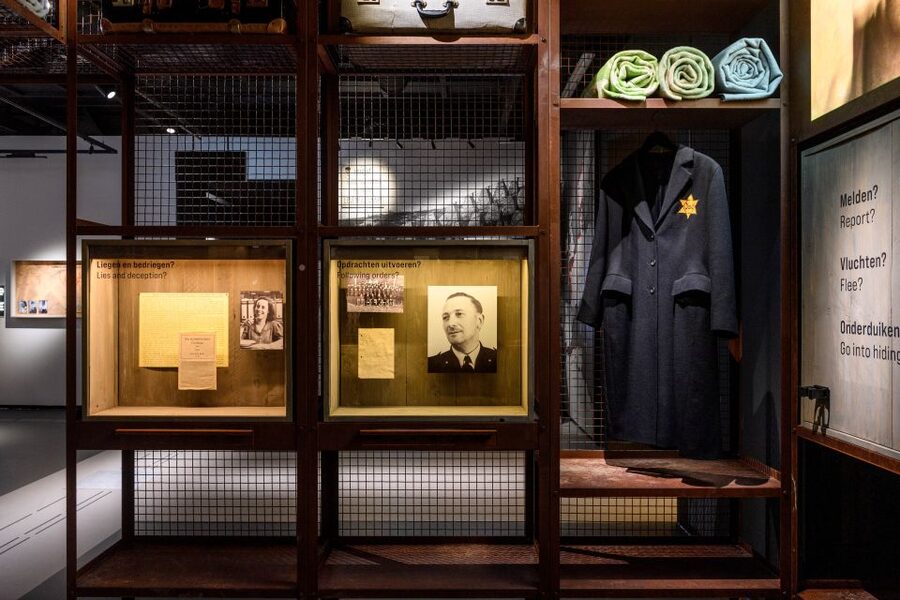
The museum focuses on the Dutch civilian response to Nazi occupation during World War II. Rather than treating resistance as one brave act or a single organized movement, it presents a range of ways people responded, from quiet help to open defiance.
That range matters. Forging identity papers, distributing an underground newspaper, helping someone go into hiding, and taking part in armed resistance carried different risks. The exhibits also make room for people who collaborated, and for those who faced choices with no easy answer. The result is a fuller picture than a simple division between heroes and villains.
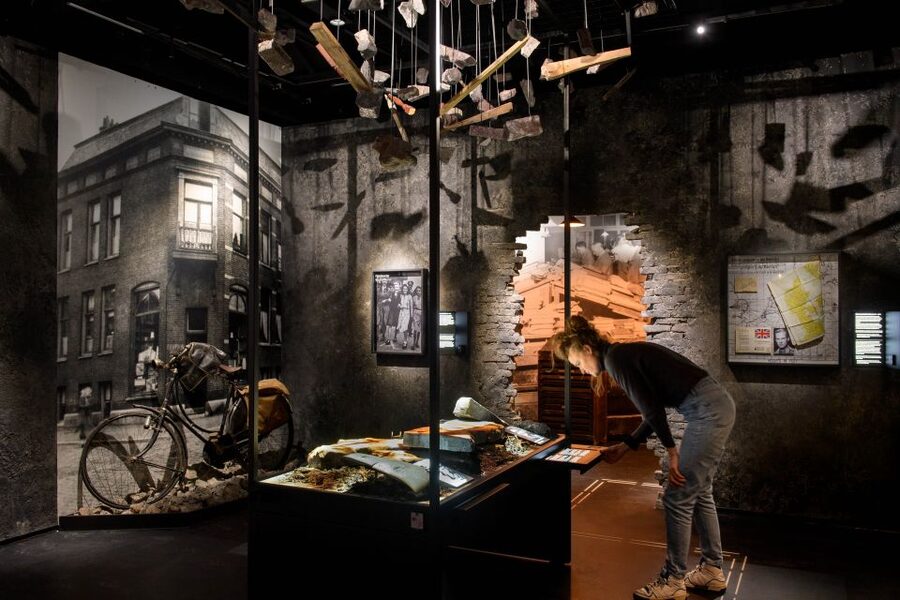
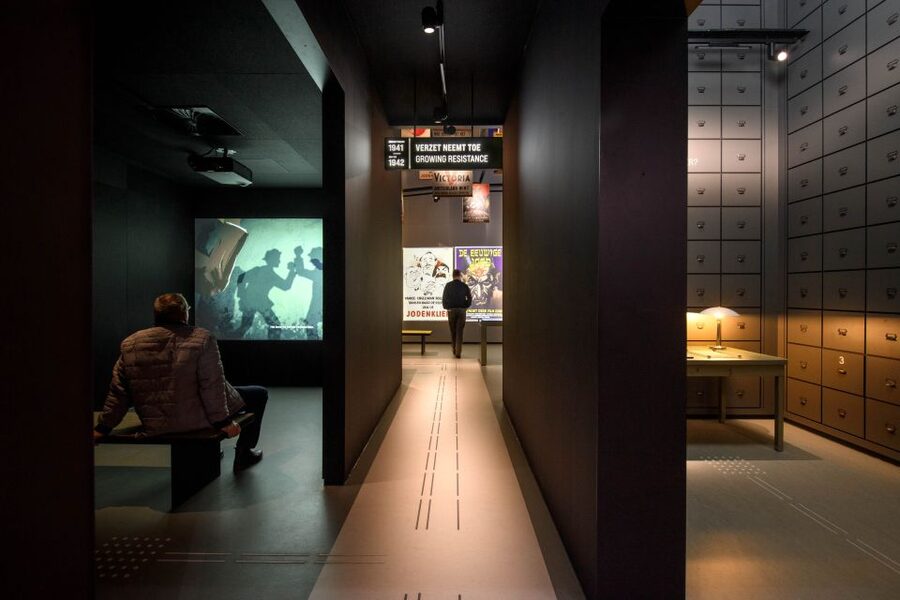
As you move through the exhibition, photos and objects help evoke the Netherlands in the 1940s. The stories are grounded in individual lives, but they also explain the larger setting of military occupation. You can see how the crisis reached into ordinary routines, families, and communities.
The museum’s strength is its attention to the hard questions. A document or personal account can show what a decision meant to the person making it, rather than asking you to judge from the safety of the present. That is what gives this visit its weight.
More Jewish history tours in Amsterdam:
- Amsterdam: Life of Anne Frank and World War II Walking Tour
★ 4.8 · 10,467 reviews - Anne Frank Walking Tour Amsterdam Including Jewish Cultural Quarter
★ 5.0 · 1,879 reviews - Anne Frank and Jewish Quarter Amsterdam Private Walking Tour
★ 5.0 · 684 reviews
Following the Many Forms of Resistance
Resistance here is not limited to weapons or dramatic escapes. You’ll learn about strikes, forged documents, underground newspapers, escape routes, espionage, and efforts to shelter people targeted by the occupiers.
These examples help explain how resistance could operate at different levels. A forged paper might help someone pass as someone else. An underground newspaper could challenge the control of information. A safe place to hide could depend on a chain of people willing to take risks. The museum presents these actions as part of a wider response, not as isolated anecdotes.
The distinction is useful if your picture of wartime resistance is shaped mainly by stories of armed groups. You’ll see that resistance could also involve practical, sustained help, often carried out without any guarantee of success. At the same time, the displays include the existence of collaborators, which keeps the subject from becoming a neat story of universal courage.
Personal documents bring the stakes close. They show people caught between danger, loyalty, survival, and conscience. I would take time with these rather than rushing from one display to the next. The written record can be more affecting than a broad summary because it puts a real person inside the choice.
A Walk Through Photos, Objects, and Films
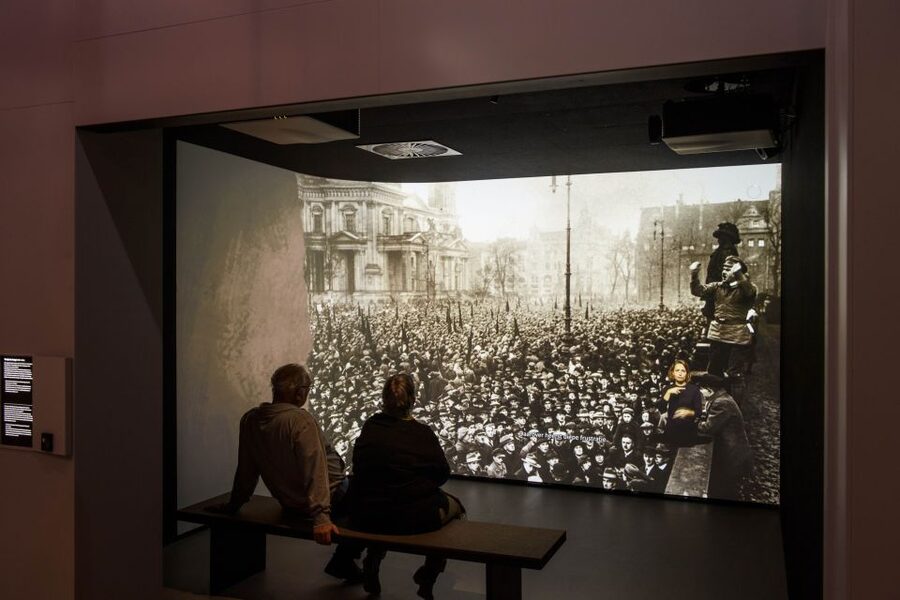
The exhibition uses walls filled with photographs to evoke the atmosphere of the war years. The setting helps connect the individual stories to a society under occupation, while objects and documents give the history a physical presence.
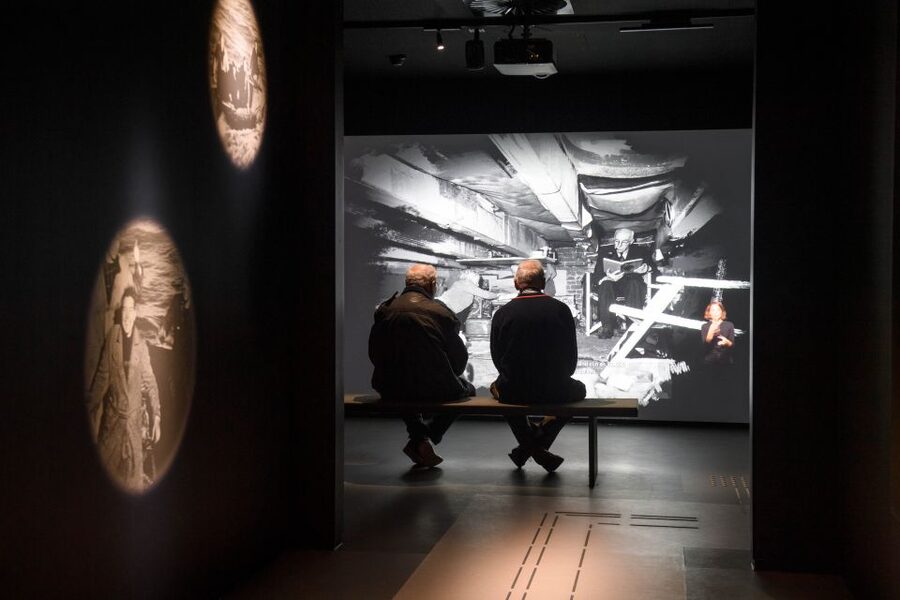
Films and audiovisual material add another way into the subject. If you prefer to learn by watching and listening, these elements break up the reading and help set the scene. If you want the detail behind a particular story, the audio guide adds context without requiring you to follow a live guide.
Interactive elements also give the visit some variety. One display lets you engage with propaganda posters, a useful reminder that control and persuasion were part of wartime life too. The museum is not only asking what people did; it also shows the information and pressures surrounding those decisions.
The presentation is designed to be followed at your own pace, but that freedom has a trade-off: there is enough content to keep you occupied for several hours. You can skim the details and still get the broad story, but you’ll miss some of the personal accounts that make the museum distinctive. If history is a main reason for your visit, plan for two to three hours rather than squeezing it between tightly scheduled stops.
The Audio Guide Lets You Set the Pace
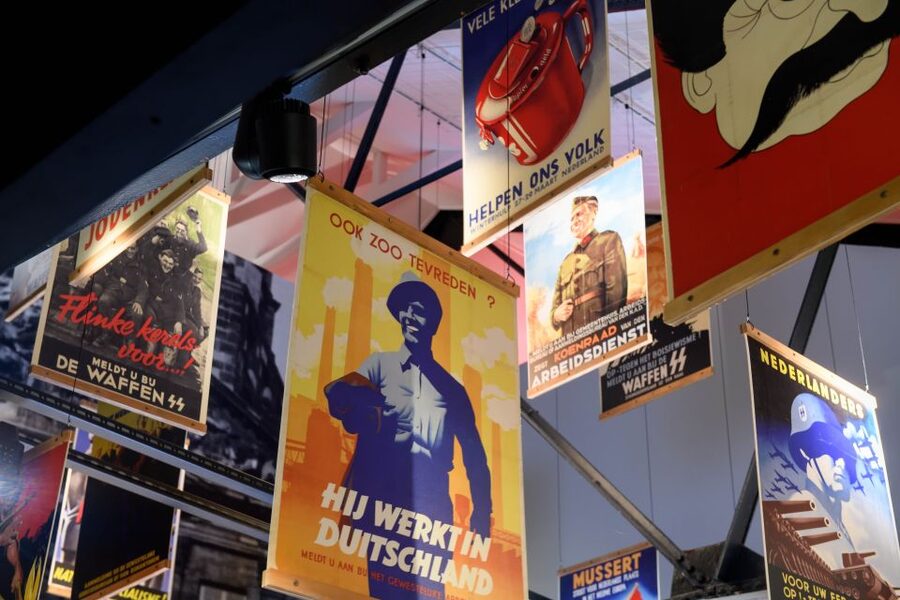
Your entry ticket includes an audio guide in seven languages: Dutch, English, French, German, Italian, Spanish, and Portuguese. The museum’s hand-held units let you scan QR codes at exhibits and choose which stories to hear, so you need not listen to every item.
That choice is practical in a museum with so much material. You can listen closely to a story that catches your attention, then move on when you have enough. The audio also makes it easier to take a pause and absorb an exhibit instead of reading every panel while standing.
The guide is not a substitute for a human guide, which is not included. But it offers a self-paced way to get more than the bare labels, and its multiple language options make the exhibits more accessible to international visitors. If you are visiting with someone who has only a general knowledge of World War II, the clear explanations can help put the Dutch experience in context.
A small practical point: take a moment to learn how the hand-held unit works before you begin scanning exhibits. The system is designed to let you select individual stories, and getting comfortable with it early can make the visit smoother. You do not need to hear everything to have a worthwhile visit, but the audio is especially useful when you want the personal details behind an object or photograph.
More museum visits in Amsterdam:
- Amsterdam: Van Gogh Museum Ticket
★ 4.7 · 52,054 reviews - Moco Museum Amsterdam Entrance Tickets with Banksy & More
★ 4.4 · 10,088 reviews - Amsterdam: The Upside Down Museum Entrance Ticket
★ 4.4 · 9,506 reviews - Amsterdam: Red Light Secrets Museum Entry Ticket
★ 4.2 · 5,722 reviews
The Dutch East Indies Adds Another Chapter
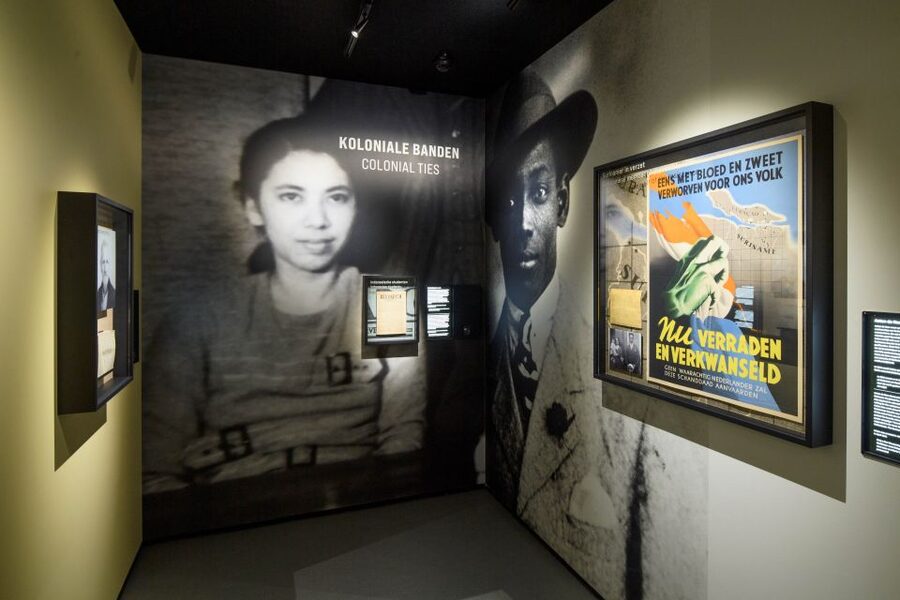
A dedicated section covers the former Dutch colony of the Dutch East Indies and the experiences of people who lived under Japanese rule. This is an important part of the museum’s scope, and it broadens the story beyond occupation in the Netherlands.
The section addresses a different setting and a different regime of terror. If you have family connections to the Dutch East Indies, or simply want to understand the wartime experience across the former Dutch empire, leave enough time for it. It is not a footnote to the European story, but a distinct part of the history presented here.
Including this subject also changes the frame of the visit. The museum is not only about what happened in Amsterdam or the Netherlands under German occupation; it asks you to consider the wider consequences of war for people connected to Dutch colonial history. That makes the museum useful for visitors who already know the familiar European account and want a broader view.
A Moving Visit That Needs Time
This is a sobering museum, but it is not hard to follow. The story moves between broad historical context and accounts of individual people, which makes the subject accessible even if you arrive with only partial knowledge of World War II.
You should expect difficult material. The exhibitions deal with persecution, danger, collaboration, and the choices people were forced to make. The personal stories can be moving, and the museum does not turn these experiences into easy moral lessons. Instead, it gives you details that make you think about the pressure and uncertainty people faced.
The museum is also wheelchair accessible. That matters in a visit where you may want to spend time listening or reading rather than moving quickly from room to room. There is a restaurant attached to the museum, which can be convenient if you want a meal after a long visit. Food and drinks are not included in the ticket.
Is the $21 Ticket Good Value?
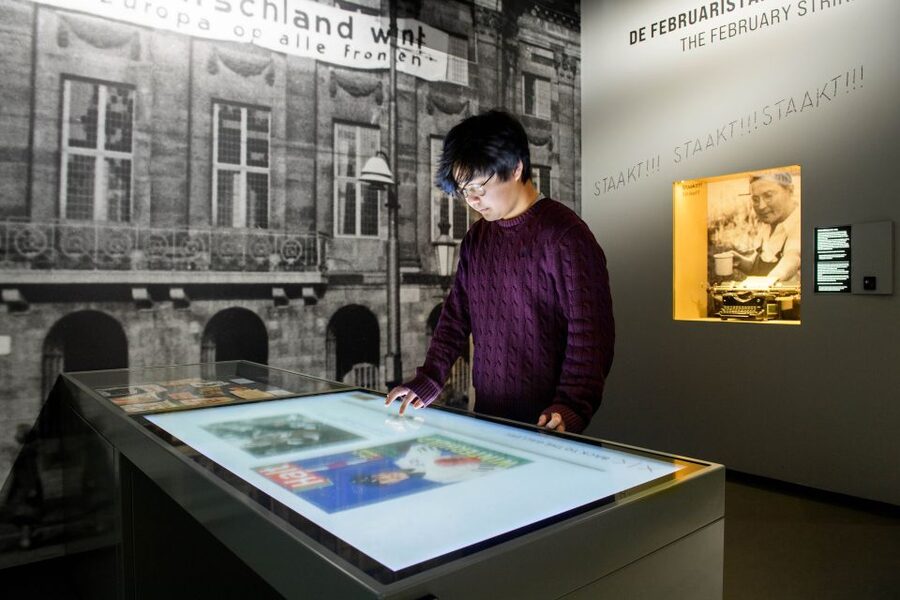
At about $21 per person, this ticket buys entry to a museum that can occupy a substantial part of your day, with a multilingual audio guide included. The value is strongest if you take your time: the films, objects, interactive displays, and many individual accounts reward more than a quick walk-through.
The self-guided format also gives you control over the length of your visit. You can focus on the themes that interest you most or listen to more of the audio if you have time. If you are trying to fit several major sights into a short day, the main cost may be time rather than money.
The ticket is valid for one day, and the activity information directs you to check availability for starting times. Entry is handled at the museum counter, where you show your ticket. A guide is not included, and neither are food or drinks. The booking terms allow free cancellation up to 24 hours in advance, with a reserve-now, pay-later option.
Who Will Get the Most From This Museum?
I’d put this high on the list if you want to understand how occupation affected Dutch civilians, rather than focusing only on military events. It is particularly worthwhile if you are interested in resistance networks, the choices people faced, or personal testimony from wartime life.
It also suits mixed-interest groups. A history enthusiast can spend a long time with the detailed accounts, while someone with less background can follow the clear presentation and choose which audio stories to hear. Families and visitors with access needs may also appreciate the audio format and wheelchair accessibility, though the subject matter is serious.
If your main interest is Anne Frank, this museum offers a broader context: it tells many stories of resistance and daily life, rather than centering on one person. It does not replace a visit focused on Anne Frank, but it can add a wider understanding of the Dutch wartime experience.
Should You Book the Dutch Resistance Museum?
Book it if you want a thoughtful, self-paced account of wartime life and resistance in the Netherlands, with the added perspective of the Dutch East Indies. The individual stories, varied forms of resistance, and included audio guide make the $21 ticket good value for visitors willing to give it two or three hours.
Consider another plan if you have only a brief gap in your day or prefer a fast, guided overview. This museum rewards patience. Come ready to read, listen, and sit with some difficult choices, and you’ll leave with a much broader view of how people lived under occupation.
FAQ
How much does admission cost?
The listed price is $21 per person.
How long should I plan to spend at the museum?
Allow about two to three hours to take in the exhibits and audio. The ticket is valid for one day.
Is an audio guide included?
Yes. The entry ticket includes an audio guide.
Which languages are available for the audio guide?
The audio guide is available in Dutch, English, French, German, Italian, Spanish, and Portuguese.
Is a live guide included?
No. A guide is not included, but the audio guide is.
What subjects does the museum cover?
It covers Dutch civilian life under Nazi occupation and forms of resistance including strikes, forged documents, help for people in hiding, underground newspapers, escape routes, armed resistance, and espionage. A separate section covers the Dutch East Indies under Japanese rule.
Is the museum wheelchair accessible?
Yes, the museum is wheelchair accessible.
Are food and drinks included?
No. Food and drinks are not included in the ticket.
Can I cancel my booking?
Yes. You can cancel up to 24 hours in advance for a full refund.
More attraction tickets in Amsterdam
- Amsterdam: Heineken Experience Ticket
★ 4.6 · 30,055 reviews - Amsterdam: Rijksmuseum Entry Ticket
★ 4.7 · 25,535 reviews - Amsterdam: Icebar Entry Ticket with 3 Drinks
★ 4.2 · 14,562 reviews - Amsterdam: Keukenhof Ticket and Roundtrip Shuttle Transfer
★ 4.7 · 11,799 reviews
Added lately in Amsterdam
- Nemo Science Museum Admission★ 5.0 · 4 reviews
- Off the Beaten Paths Dutch Landscape Private Tour 1/2 day Jaguar★ 5.0 · 10 reviews
- Northern Highlights Tour: visit 4 magnificent places from Amsterdam★ 5.0 · 5 reviews
- Off the beaten paths Dutch Country Side Private Tour in Jaguar★ 5.0 · 5 reviews
- From Amsterdam: Day Trip to Rotterdam, Delft & Hague with Cruise★ 3.0 · 15 reviews
- NEMO Science Museum Amsterdam Admission Ticket★ 4.5 · 36 reviews
- Amsterdam Light Festival: Canal Cruise + Bite & Unlimited Drinks★ 4.5 · 20 reviews
- Amsterdam : Keukenhof FlowerFarm Privatetour Skip-The-Line ticket★ 5.0 · 33 reviews
Amsterdam Jewish History Tours, compared.
Life of Anne Frank and World War II Walking Tour
Read our review →
Anne Frank Walking Tour Amsterdam Including Jewish Cultural Quarter
Read our review →
Anne Frank and Jewish Quarter Amsterdam Private Walking Tour
Read our review →
Anne Frank and Jewish Quarter Walking Tour (TOP RATED)
Read our review →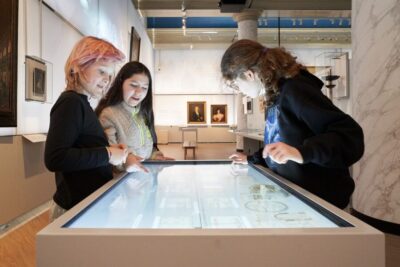
Anne Frank and the Jewish History of Amsterdam Private Tour
Read our review →Browse the lists this tour appears in