
Reviewed · AMSTERDAM JEWISH HISTORY TOURS
Amsterdam: National Holocaust Museum Entry Ticket
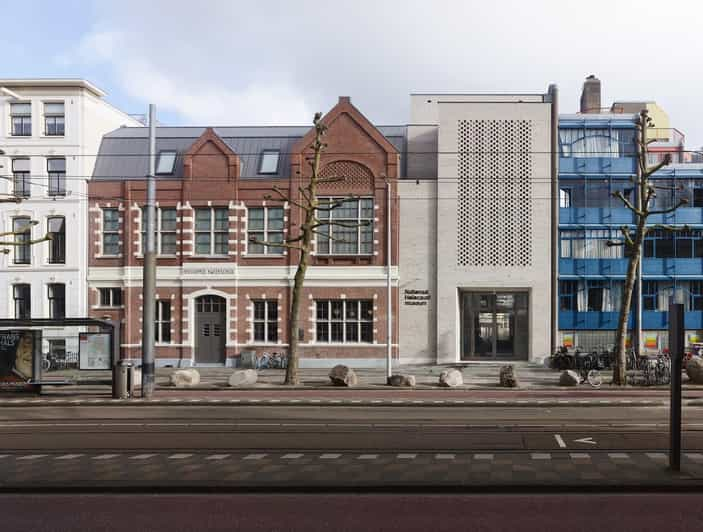
The former Hervormde Kweekschool is more than a museum setting: it was part of a rescue route for Jewish children, even as a nearby daycare served the Nazis as a gathering and deportation point. That contrast gives this visit a difficult, very human focus.
I like two things especially: the exhibits connect everyday Dutch Jewish life before the war with the machinery of persecution, and the included Hollandsche Schouwburg memorial adds another important site to the visit. The audio guide and personal accounts help put individual lives at the center.
One consideration: there is a lot to take in, and the subject is emotionally heavy. Set aside several hours if you can, and check the time as closing approaches so you are not forced to rush.
Key points to know before you go
- The museum occupies the former Hervormde Kweekschool, a building tied to the rescue of Jewish children during the occupation.
- A nearby daycare became a deportation point, while director Henriëtte Pimentel helped hundreds of children escape, including through the school.
- The story begins before the war, showing how Jews and non-Jews lived alongside each other with the same rights.
- Your ticket includes two sites, the National Holocaust Museum and Hollandsche Schouwburg National Holocaust Memorial.
- Plan for a long, reflective visit, with detailed displays, personal accounts, and an audio guide.
- The museum is wheelchair accessible, and photography is allowed if you remain respectful.
A school building at the heart of the story
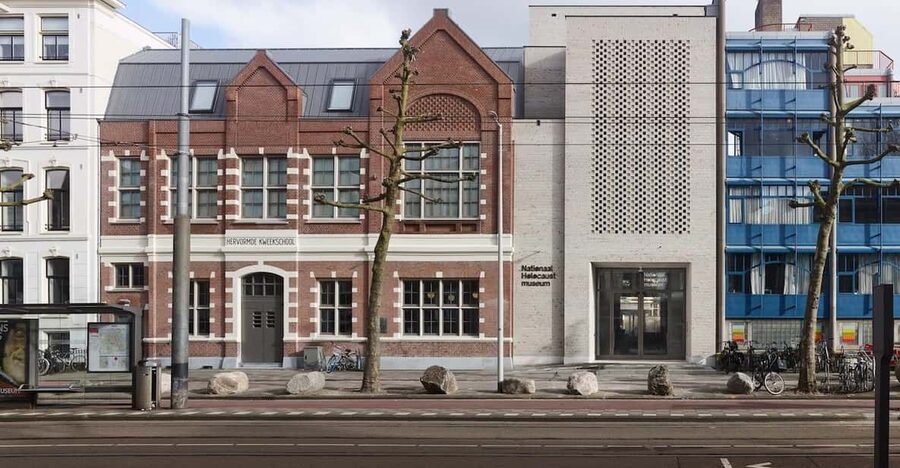
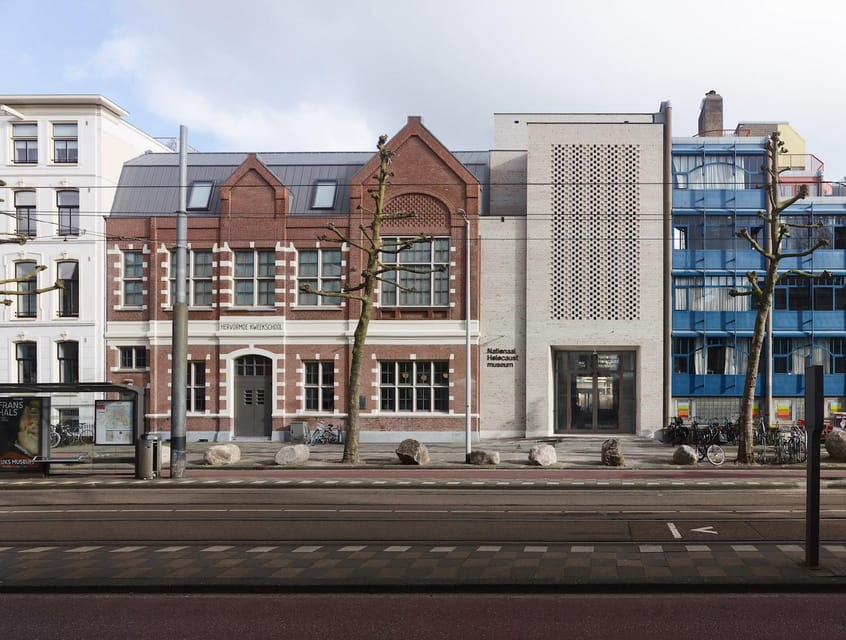
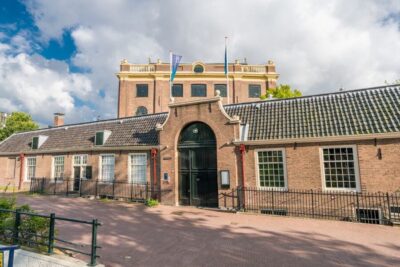
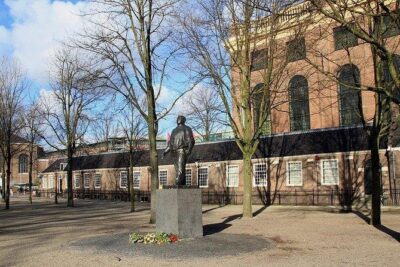
Amsterdam’s National Holocaust Museum tells the history of the persecution and murder of Jews in the Netherlands during the Second World War. Its setting matters. The museum is housed in the former Hervormde Kweekschool, a school linked to the rescue of Jewish children from deportation.
The adjacent daycare was used by the Nazis as a gathering point for Jewish children before deportation. From the school, director Henriëtte Pimentel helped hundreds of children escape. The history here is not a simple story of a building that was either safe or dangerous. It is a story of people making choices under brutal conditions, and of how a place could be part of both a system of persecution and acts of rescue.
That connection makes the museum’s location essential to the visit rather than a backdrop. As you learn about the wider persecution, you can also consider what happened in these rooms and nearby streets. The subject is painful, but the museum’s focus on identifiable people helps keep the history from becoming an abstract list of dates and numbers.
More Jewish history tours in Amsterdam:
- Amsterdam: Life of Anne Frank and World War II Walking Tour
★ 4.8 · 10,467 reviews - Anne Frank Walking Tour Amsterdam Including Jewish Cultural Quarter
★ 5.0 · 1,879 reviews - Amsterdam: Dutch WWII Resistance Museum Entry Ticket
★ 4.7 · 951 reviews
Begin with Jewish life before the war
The museum does not start with deportation. It first shows Jewish life in the Netherlands before the Second World War, when Jews and non-Jews lived alongside one another with the same rights. This opening matters: it gives you a sense of the lives, families, and communities that the Nazis later targeted.
That shift in perspective helps you understand what was destroyed. The story is not only about victims and events during the war. It is also about people who had homes, work, relationships, traditions, and a place in Dutch society before persecution tore those lives apart.
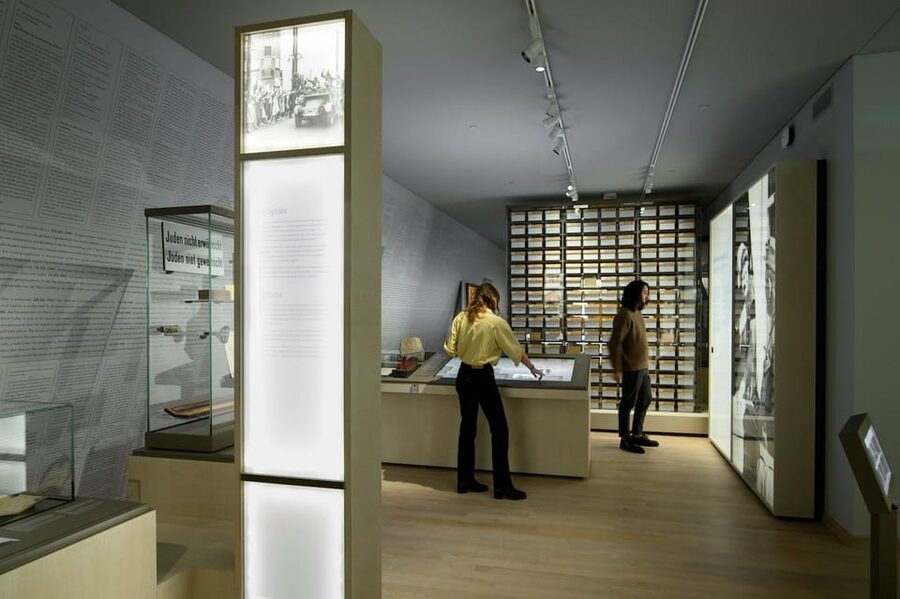
As you move through the museum, expect substantial text, objects, photographs, and personal accounts. The displays are designed to give victims recognizable faces. That approach can make the visit more affecting than a broad overview alone, but it also asks you to slow down and pay attention. Skimming may get you through the rooms, but it will leave much of the human detail behind.
Follow the route from exclusion to deportation
The museum traces how Nazi persecution developed and how the occupation affected Jewish people in the Netherlands. The scale is stark: the Nazis murdered approximately six million Jews across Europe during the Holocaust, also known as the Shoah. In the Netherlands, three-quarters of the Jewish population were killed.
Those figures are essential, but they can be hard to absorb on their own. The museum sets the wider catastrophe beside individual accounts and objects, helping you see how policies and violence reached into ordinary lives. The exhibits explain the process without making the subject easy or comfortable.
The museum presents this history without softening the atrocities. That directness is part of its value, especially if you want to understand not just what happened, but how the persecution unfolded. You may find the material emotionally demanding. Give yourself permission to pause, and do not feel you need to read every label to make the visit worthwhile.
See the school and daycare in context
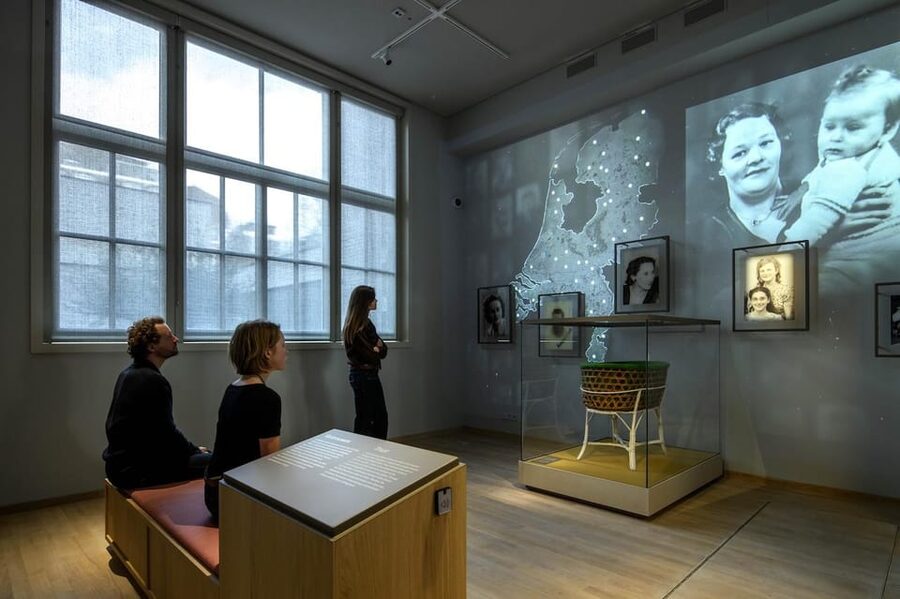
The former school and nearby daycare create a particularly painful contrast. The daycare was used as a collection and deportation point for Jewish children. The Kweekschool, beside it, became part of a route by which children could be saved, with Pimentel helping hundreds escape.
This story is one of the most distinctive parts of the museum. It puts the choices and risks of rescue alongside the systems of Nazi control. The setting makes those facts tangible, although the building itself cannot tell the full story without the exhibits and accounts that explain what happened there.
Expect the museum to ask you to think about individuals as well as institutions: who was targeted, who helped, and what rescue could mean under occupation. The museum does not turn the story into a neat tale of triumph. The saving of children took place amid a campaign that killed most of the country’s Jewish population.
More museum visits in Amsterdam:
- Amsterdam: Van Gogh Museum Ticket
★ 4.7 · 52,054 reviews - Moco Museum Amsterdam Entrance Tickets with Banksy & More
★ 4.4 · 10,088 reviews - Amsterdam: The Upside Down Museum Entrance Ticket
★ 4.4 · 9,506 reviews - Amsterdam: Red Light Secrets Museum Entry Ticket
★ 4.2 · 5,722 reviews
Make time for the personal accounts and audio guide
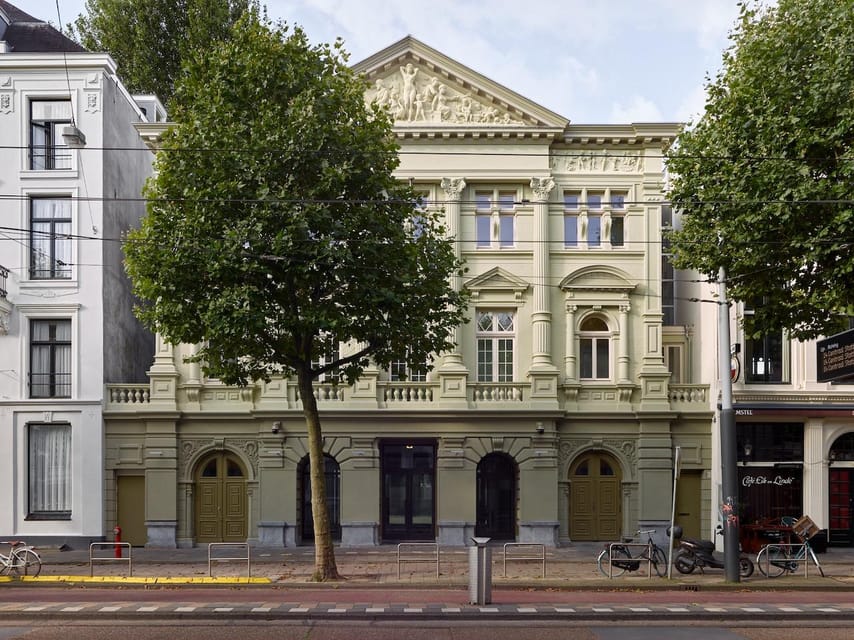
The personal focus is a major strength. Photographs, written accounts, artifacts, and audio interpretation help connect historical events to the people who lived through them. The audio guide is reported as informative, and several accounts describe the museum’s explanations as clear and well organized.
Some visitors have also encountered interactive holograms that answer questions. They can add a different kind of human presence to the exhibits, though an interactive display is not a substitute for taking time with the historical material around it. If you enjoy learning through sound and first-person accounts, bring time to listen rather than racing from one display to the next.
There are a few practical limits. Some exhibits may be viewable by only a small number of people at once, which can create a wait in busy periods. Signage has also been a weak point for some visitors, so keep an eye on the route and ask staff if you are unsure where to go. One visitor also found that parts of the electronic guide switched from English to Dutch. If that happens, it may interrupt the flow, so check the language setting or ask for help.
Add the Hollandsche Schouwburg memorial
The entry ticket includes the Hollandsche Schouwburg National Holocaust Memorial as well as the museum. That second site gives you another place connected to the history of persecution in Amsterdam and extends the visit beyond the Kweekschool.
Treat the two admissions as parts of one thoughtful day, not as a quick add-on to squeeze between unrelated sights. The museum alone contains enough material to occupy several hours, and the memorial deserves your attention too. The ticket information does not set a required order or visit duration, so plan your time around the hours available at each site rather than assuming you can see everything at the last minute.
The combined admission adds clear value for anyone who wants to understand the history in more than one setting. It also makes the ticket a stronger choice than a museum-only visit, especially if you are building a day around Amsterdam’s Jewish history.
What $24 buys, and how to pace your visit
At $24 per person, the ticket covers entry to both the National Holocaust Museum and Hollandsche Schouwburg National Holocaust Memorial. For a subject this important, value is not just a matter of how many exhibits you can pass in an hour. The price buys access to two significant sites and a substantial interpretation of Jewish life, persecution, rescue, and remembrance.
The ticket is valid for seven days from first activation. That gives you flexibility to spread your visit across more than one day if that suits your plans, though the information does not specify whether repeat entry to either site is included. You can also reserve now and pay later, and cancellation is free up to 24 hours in advance for a full refund.
Do not confuse the seven-day validity with a suggested visit length. The museum’s many displays and audio material can take hours to absorb. A half-day is a sensible allowance if you want to read and listen without rushing, especially if you plan to visit the memorial too. Closing time matters: leaving the start of your visit until late in the day may mean choosing what to see rather than taking it all in.
Who will find this visit worthwhile
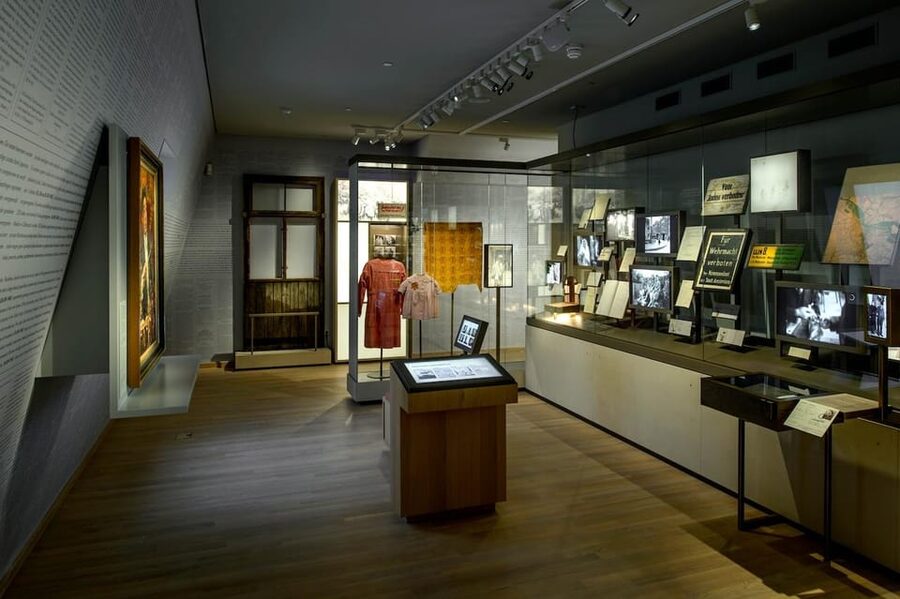
This museum is for anyone who wants a more grounded understanding of the Holocaust in the Netherlands, not just a summary of the war’s broad timeline. It is particularly worthwhile if you value personal accounts, museum interpretation, and the connection between historical events and the places where they happened.
Families can visit together, but the material is serious and emotionally intense. If you are bringing children, consider their age and how they respond to difficult history. The subject is not presented as an easy outing, and it is reasonable to take breaks or leave parts of the displays for another visit.
The museum is wheelchair accessible. Photography is allowed, but it is important to be respectful in a memorial setting and around other people who are viewing the exhibits. Staff have been described as friendly, and the museum has a café, useful details if you need to pause during a long visit.
Should you book the National Holocaust Museum ticket?
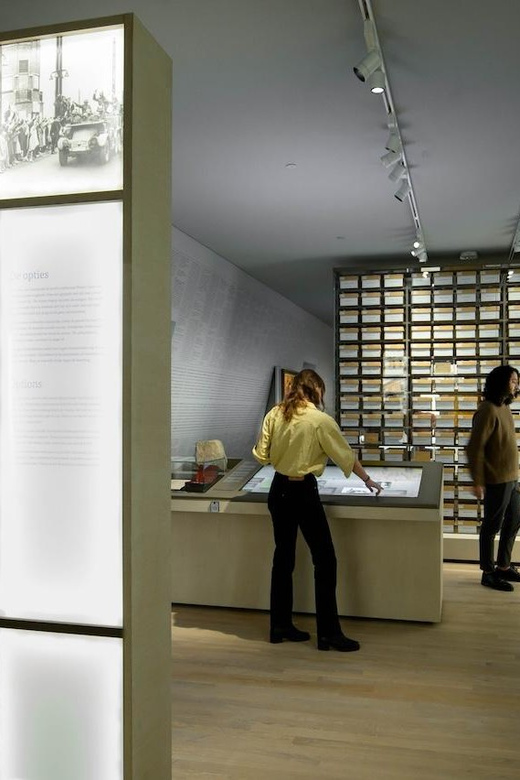
Book this ticket if you want to spend meaningful time with the history of Jewish life and persecution in the Netherlands, and if you are prepared for a serious, sometimes overwhelming visit. The former school’s connection to the rescue of children gives the museum a distinctive focus, while the included Hollandsche Schouwburg memorial broadens the day.
I would not treat it as a quick stop between lighter attractions. Allow several hours, arrive with enough time before closing, and take the visit at your own pace. At $24, the combined admission is good value for a substantial museum visit and a second important memorial site. If you want to understand Amsterdam’s Holocaust history with care, this is a strong choice.
FAQ
What is included in the ticket?
The ticket includes entry to the National Holocaust Museum and the Hollandsche Schouwburg National Holocaust Memorial.
How much does the ticket cost?
The listed price is $24 per person.
How long is the ticket valid?
It is valid for seven days from first activation. The ticket information does not specify whether repeat entry is included.
How much time should I allow for the museum?
There is no fixed visit duration. The museum contains a great deal to read and hear, so several hours, or roughly half a day, is a useful allowance if you want to take your time.
Can I cancel the booking?
Yes. You can cancel up to 24 hours in advance for a full refund.
Do I have to pay when I reserve?
No. The reserve-now, pay-later option lets you book without paying today.
Is the museum wheelchair accessible?
Yes, the activity information states that it is wheelchair accessible.
Is photography allowed?
Yes. Photography is allowed, but visitors are asked to be respectful.
What is the museum about?
It covers the persecution of Jews in the Netherlands, Jewish life before the Second World War, the liberation, and the Holocaust’s place in Dutch national memory.
More attraction tickets in Amsterdam
- Amsterdam: Heineken Experience Ticket
★ 4.6 · 30,055 reviews - Amsterdam: Rijksmuseum Entry Ticket
★ 4.7 · 25,535 reviews - Amsterdam: Icebar Entry Ticket with 3 Drinks
★ 4.2 · 14,562 reviews - Amsterdam: Keukenhof Ticket and Roundtrip Shuttle Transfer
★ 4.7 · 11,799 reviews
Added lately in Amsterdam
- Nemo Science Museum Admission★ 5.0 · 4 reviews
- Off the Beaten Paths Dutch Landscape Private Tour 1/2 day Jaguar★ 5.0 · 10 reviews
- Northern Highlights Tour: visit 4 magnificent places from Amsterdam★ 5.0 · 5 reviews
- Off the beaten paths Dutch Country Side Private Tour in Jaguar★ 5.0 · 5 reviews
- From Amsterdam: Day Trip to Rotterdam, Delft & Hague with Cruise★ 3.0 · 15 reviews
- Amsterdam : Keukenhof FlowerFarm Privatetour Skip-The-Line ticket★ 5.0 · 33 reviews
- NEMO Science Museum Amsterdam Admission Ticket★ 4.5 · 36 reviews
- Amsterdam Light Festival: Canal Cruise + Bite & Unlimited Drinks★ 4.5 · 20 reviews
Amsterdam Jewish History Tours, compared.
Life of Anne Frank and World War II Walking Tour
Read our review →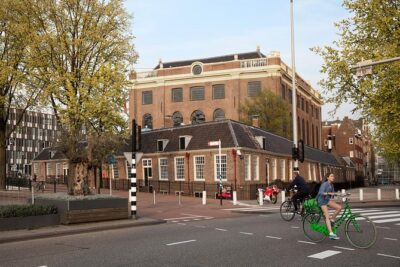
Anne Frank Walking Tour Amsterdam Including Jewish Cultural Quarter
Read our review →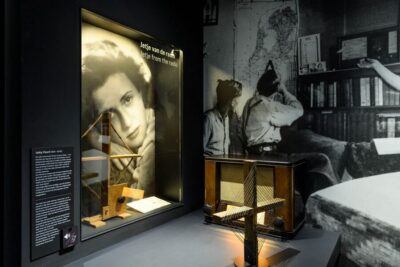

Anne Frank and Jewish Quarter Amsterdam Private Walking Tour
Read our review →
Anne Frank and Jewish Quarter Walking Tour (TOP RATED)
Read our review →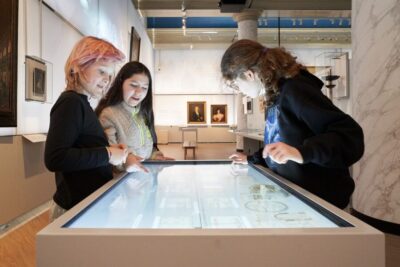
Anne Frank and the Jewish History of Amsterdam Private Tour
Read our review →Browse the lists this tour appears in